A Strategic Step in Libya–Chad Relations
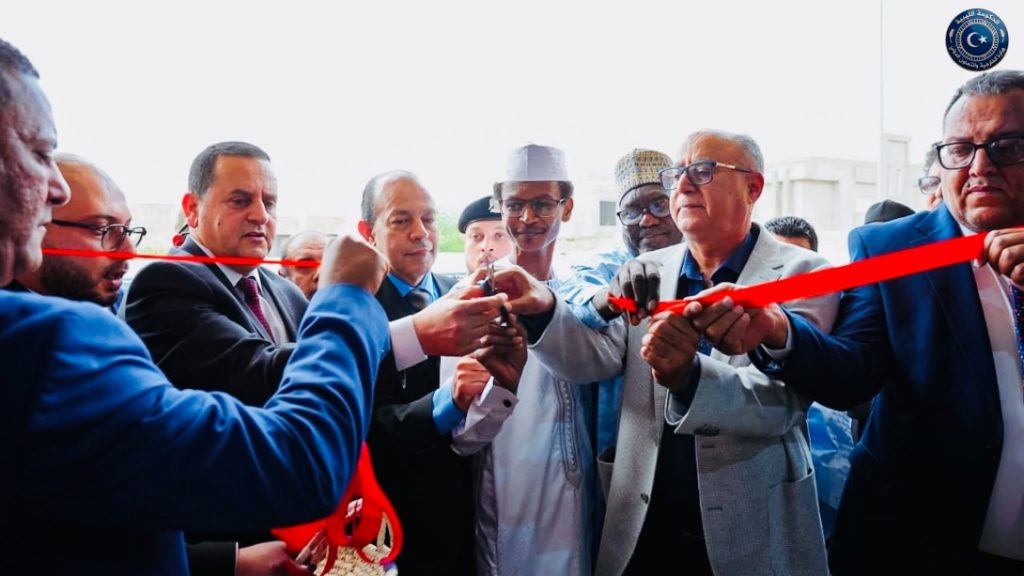
Chad has opened a consulate general in Benghazi, marking a clear expansion of diplomatic ties with Libya and a deeper engagement with eastern authorities. The move signals more than routine consular work. It reflects a calculated step toward stronger coordination on security, migration, and cross-border governance.
Eastern Libya welcomed the decision as part of efforts to expand regional cooperation. Chad framed it around practical needs, including citizen services, trade facilitation, and institutional presence in a key Libyan city. Yet the timing and location point to broader strategic interests on both sides.
Benghazi has become a major diplomatic and security hub in eastern Libya. Several regional actors now engage directly with eastern institutions on issues tied to border control, migration routes, and regional stability. Chad’s decision to establish a formal presence there reinforces this trend.
Libya and Chad share long and difficult border dynamics across the Sahara. That frontier stretches through remote desert zones where state control remains limited. Smuggling networks, armed groups, and trafficking routes operate across these spaces with relative freedom.
This creates persistent security pressure for both countries.
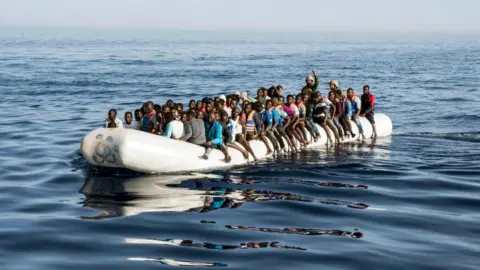
For Libya, these southern routes feed into broader migration flows toward coastal cities and then across the Central Mediterranean. For Chad, instability in its northern regions and cross-border movement create direct internal security risks.
The consulate opening gives Chad a stronger institutional foothold inside Libya to manage these issues. It also allows closer coordination with Libyan authorities on border incidents, migrant flows, and the status of Chadian nationals inside Libya.
Thousands of Chadian citizens live and work in Libya. Many work in construction, agriculture, and informal sectors. Others move through Libya along migration routes heading north. A formal consular presence in Benghazi strengthens documentation support and improves coordination on returns and legal processes.
At the same time, Libya benefits from structured engagement with a key Sahel neighbor that directly influences migration and security conditions along its southern border.
Migration and Border Security Shape a Growing Regional Partnership
The Libya–Chad relationship sits at the center of wider Sahel–Mediterranean dynamics. Migration pressure continues to define this space. Conflict, economic instability, and climate stress across the Sahel push populations northward toward Libya’s vast and lightly governed southern border regions.
Libya remains one of the main transit countries for migrants heading toward North Africa and Europe. Chad sits along several feeder routes that feed into this system. That shared position makes migration management a central issue in bilateral relations.
The Benghazi consulate strengthens practical coordination on these challenges. It creates a channel for communication on border security operations, trafficking networks, and the movement of people across desert routes. It also supports joint responses to criminal networks that operate across both sides of the frontier.
Eastern Libya in particular has increased its focus on regional partnerships that support border control efforts. Authorities in Benghazi continue to expand engagement with Sahel states as part of a broader strategy to strengthen security cooperation beyond Libya’s internal political divisions.
Chad also benefits from deeper coordination with Libyan institutions as it manages its own domestic and border security pressures. Northern Chad faces spillover risks from regional instability, including armed group movements and trafficking activity linked to Libya’s southern corridors.
Despite these shared interests, structural challenges remain significant. Libya still lacks unified security institutions across its territory. Border control capacity varies widely between regions. In the south, enforcement depends heavily on local actors and fragmented security arrangements.
Chad also faces capacity constraints that limit its ability to fully control cross-border movement.
Even so, both countries continue to deepen cooperation because the pressure from migration and smuggling networks continues to grow. External partners, including European states, also encourage stronger Libya–Sahel coordination as part of broader efforts to reduce irregular migration flows into the Mediterranean.
The opening of the Benghazi consulate reflects this convergence of interests.
It signals a shift toward more direct, structured engagement between Libya and one of its most important southern neighbors. It also highlights how migration and border security now drive much of Libya’s regional diplomacy.
In practical terms, the consulate strengthens Chad’s presence inside Libya. In strategic terms, it reinforces a growing regional framework where security cooperation increasingly defines political and diplomatic relationships across the Sahara.
As Libya continues to navigate internal divisions and external pressure, and as Chad manages its own security challenges, both countries now find stronger incentive to work through formal institutions.