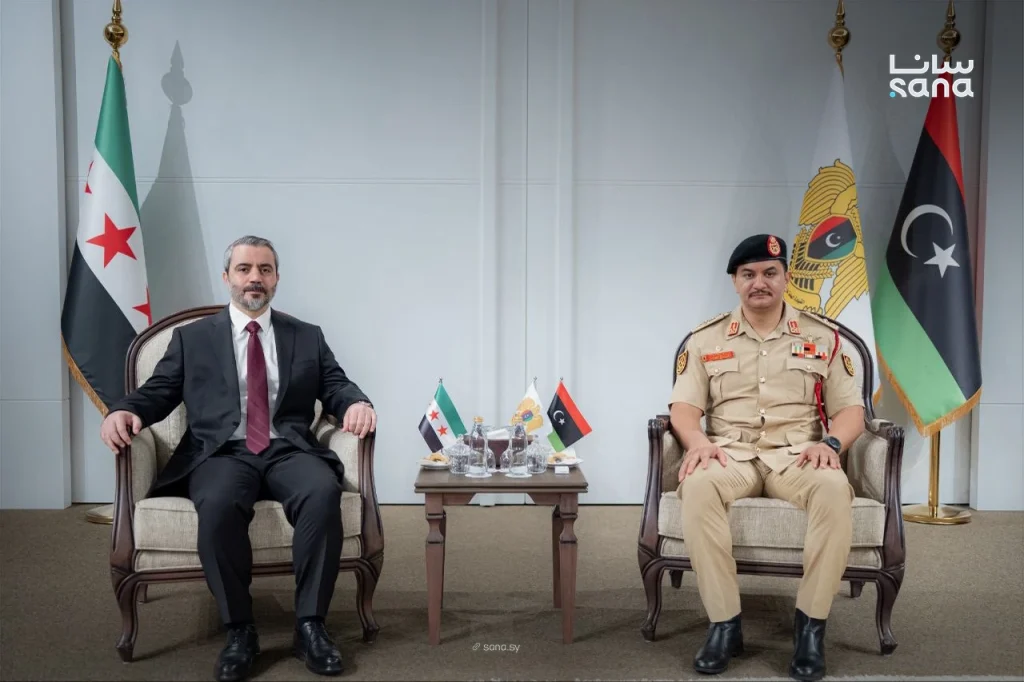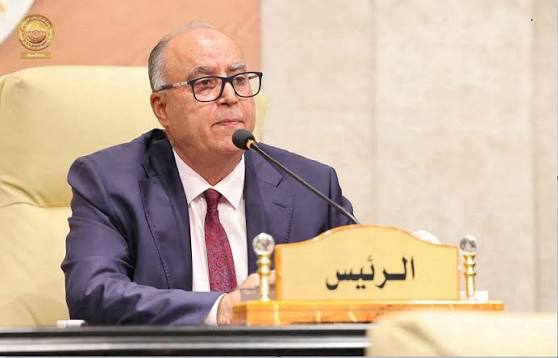
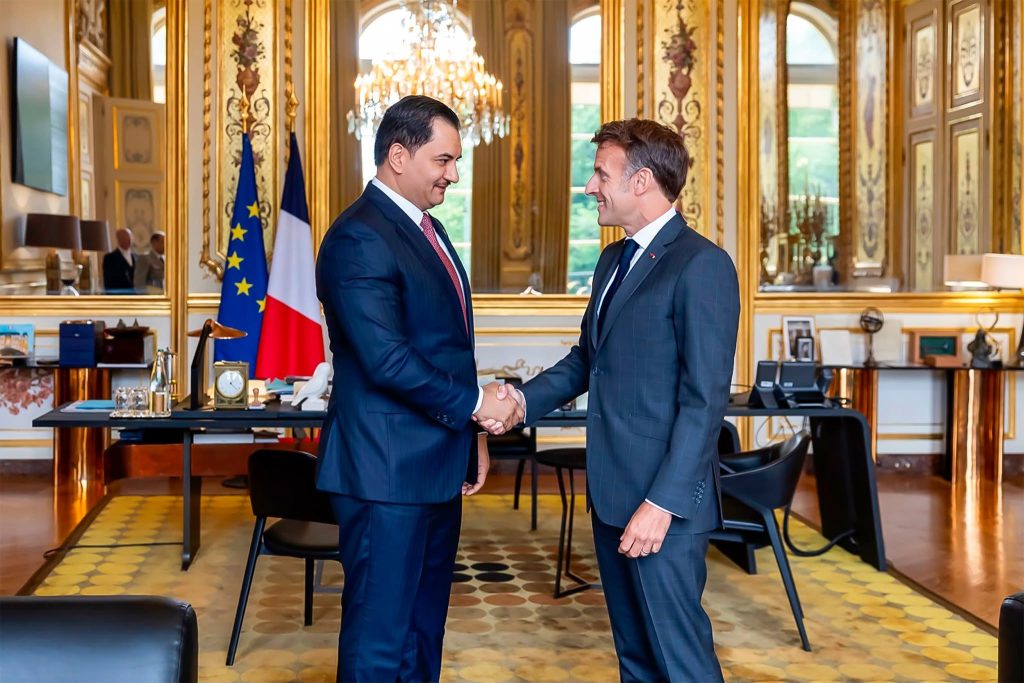
France has once again signaled its interest in Libya’s security landscape. During an official visit to Paris, Saddam Haftar, Deputy Commander-in-Chief of the Libyan Arab Armed Forces (LAAF), met senior French officials to discuss security cooperation, military training, and regional stability.
The visit drew attention because it came at a time when Libya remains politically divided and security challenges continue to affect North Africa and the Sahel. While France supports international efforts to advance a political settlement in Libya, it also continues to engage directly with security actors who hold influence on the ground.
The discussions in Paris suggest that France sees eastern Libya as an important partner in addressing regional security concerns. They also highlight Saddam Haftar’s growing role in Libya’s external security relations.
France’s Security Priorities Extend Beyond Libya
France’s interest in Libya has never focused solely on Libyan politics. Paris views Libya through a broader regional security lens.
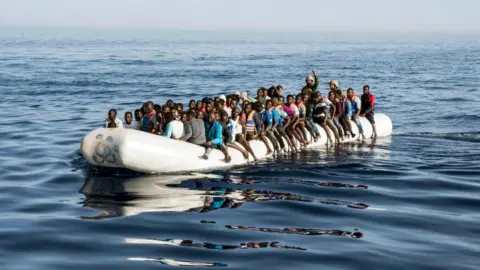
Instability in Libya affects migration routes across the Mediterranean. It also creates opportunities for weapons trafficking networks, organized crime groups, and extremist organizations that operate across North Africa and the Sahel.
French policymakers have spent years trying to contain security threats emerging from the Sahel. Countries such as Mali, Niger, and Chad continue to face challenges from armed groups and criminal networks. Southern Libya sits at the crossroads of many of these regional dynamics.
For France, cooperation with Libyan security institutions offers a way to improve intelligence sharing, strengthen border security, and support efforts against transnational threats. The meetings in Paris reflected those priorities.
The visit therefore carried significance beyond bilateral relations. It formed part of a wider French strategy aimed at strengthening security partnerships across North Africa.
Saddam Haftar’s International Profile Continues to Grow
The Paris meetings also highlighted Saddam Haftar’s expanding diplomatic role.
Over the past several years, he has become one of eastern Libya’s most visible security figures. Foreign governments increasingly engage with him during discussions about military cooperation, counterterrorism, and regional security.
This trend reflects a broader reality. International actors often seek partnerships with institutions and individuals who exercise influence over security conditions on the ground.
For eastern Libya, these engagements create opportunities to build international relationships and attract technical support for military development and training programs.
The Paris visit adds France to a growing list of countries that maintain direct dialogue with eastern Libya’s military leadership. Such meetings do not replace political negotiations, but they demonstrate the importance many foreign governments place on security cooperation.
What France Hopes to Gain
France’s engagement with eastern Libya serves several strategic objectives.
First, Paris wants greater stability along the southern Libyan frontier. The region remains vulnerable to smuggling operations and the movement of armed groups. Improved security coordination could help limit those activities.
Second, France seeks stronger cooperation on counterterrorism. Although Libya has made progress against extremist organizations in recent years, security officials across Europe continue to monitor potential threats linked to regional instability.
Third, migration remains a major concern. European governments continue to focus on routes that connect sub-Saharan Africa to the Mediterranean coast. Better security coordination in Libya could support broader efforts to manage irregular migration flows.
Energy security also plays a role. Libya remains an important energy producer on Europe’s southern flank. While security discussions often focus on military issues, stable security conditions help protect critical energy infrastructure and support economic recovery.
Taken together, these priorities explain why France continues to invest diplomatic capital in relationships with key Libyan security actors.
Analytical Outlook
Saddam Haftar’s visit to Paris illustrates how security diplomacy has become an increasingly important component of Libya’s international relations.
The meeting does not signal a major shift in French policy. Instead, it reinforces an existing approach. France continues to support political dialogue while maintaining direct engagement with influential security actors across Libya.
For eastern Libya, the visit strengthens international connections and enhances its visibility among European policymakers. For France, the discussions provide another channel for addressing concerns related to terrorism, migration, and regional stability.
The broader significance lies in what the visit reveals about international engagement with Libya. Foreign governments increasingly recognize that long-term stability requires both political progress and effective security institutions.
As Libya’s political process remains uncertain, security cooperation will likely remain one of the most active areas of engagement between Libya and its international partners. The Paris meetings suggest that France intends to remain closely involved in that process.