Libyan authorities have confirmed that the main land border crossing with Egypt currently allows passage only for Libyan and Egyptian citizens. The announcement has drawn attention across eastern Libya and western Egypt, where the Salloum–Musaid crossing remains a major transit point for trade, labor movement, medical travel, and family visits.
The clarification comes at a time when regional migration routes, border security, and cross-border coordination continue to shape discussions between North African states. Officials on both sides have focused on regulating movement through formal channels while maintaining the crossing’s role as a strategic gateway between the two countries.
A Key Border Crossing Between Libya and Egypt
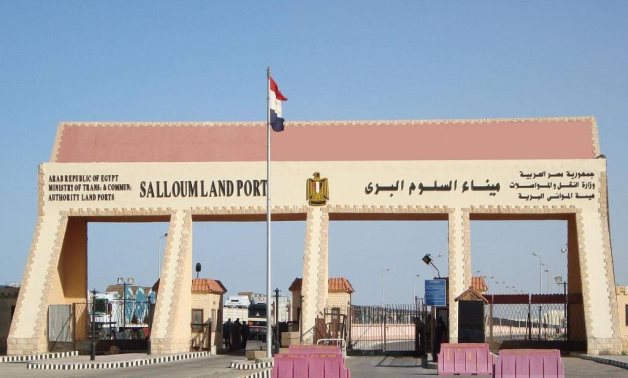
The Salloum crossing on the Egyptian side and the Musaid crossing on the Libyan side form one of the most important land corridors in North Africa. The route connects eastern Libya with Egypt’s Matrouh Governorate and supports thousands of travelers every month.
The Egypt–Libya border stretches for more than 1,100 kilometers, although only a limited number of official crossing points handle regular civilian movement. The northern coastal corridor near Salloum carries most commercial and passenger traffic because it links directly to populated coastal cities in both countries.
For years, Libyan citizens have used the crossing for medical treatment, education, business, and transit into Egypt. Egyptian workers have also traveled through the same corridor for employment opportunities in Libya’s construction, energy, and service sectors.
Authorities often tighten or ease procedures depending on security conditions, political developments, or administrative coordination between the two governments.
Authorities Emphasize Regulated Movement
The latest clarification appears designed to reduce confusion over who may legally use the crossing. Officials stated that passage currently remains limited to citizens of Libya and Egypt, rather than third-country nationals.
The measure reflects a broader regional trend toward stricter border management across North Africa. Governments increasingly seek tighter control over irregular migration routes, smuggling networks, and unauthorized transit movements.
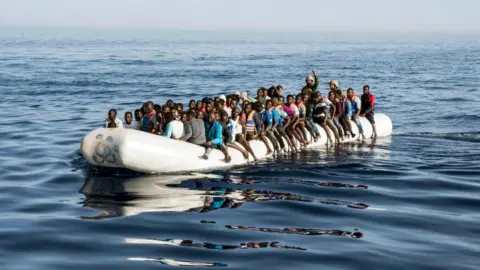
Migration monitoring organizations have repeatedly identified Libya as a major transit country for migrants traveling across North Africa toward Europe. International agencies have also documented movement through Egypt’s western border region.
Security coordination has therefore become a central issue for border authorities on both sides.
Officials have not announced a full closure of the crossing. Instead, the clarification focuses on eligibility requirements for entry and exit through the border point.
Economic Importance of the Border Corridor
The Libya–Egypt border carries economic significance beyond passenger travel. Eastern Libya depends heavily on commercial imports that arrive through Egyptian supply chains, especially food products, construction materials, medical supplies, and consumer goods.
The crossing also supports smaller cross-border businesses that rely on regular movement between nearby communities.
Trade activity along the corridor has fluctuated over the past decade due to instability in Libya, changing security conditions, and shifting administrative regulations. However, commercial ties between eastern Libya and Egypt have remained active despite periodic disruptions.
Analysts note that stable border procedures help businesses plan logistics and maintain supply continuity. Even temporary uncertainty at crossings can slow transportation schedules and increase costs for traders and consumers.
The border route also supports the movement of maintenance teams, contractors, and technical workers linked to infrastructure and reconstruction projects in eastern Libya.
Security Remains a Central Priority
Border management between Libya and Egypt has long involved security considerations. Egyptian authorities have repeatedly expressed concern about militant infiltration, weapons smuggling, and trafficking routes moving across desert areas near the frontier.
Libyan authorities face similar concerns regarding unauthorized crossings and criminal networks operating in remote border regions.
Because much of the frontier runs through sparsely populated desert terrain, authorities depend heavily on formal checkpoints and coordinated monitoring systems near major crossing areas.
Regional instability since 2011 has increased pressure on neighboring countries to strengthen border oversight. Several governments across North Africa have expanded surveillance systems, military patrols, and customs procedures in response to evolving security threats.
The latest clarification regarding citizenship requirements fits within that wider security framework.
Humanitarian and Social Dimensions
The crossing also carries a strong humanitarian dimension. Many Libyan families maintain close social and economic ties with Egypt, especially in border regions and coastal cities.
Patients frequently travel to Egypt for healthcare services, while students pursue educational opportunities in Egyptian universities and institutes.
At the same time, Egyptian workers have historically formed a major part of Libya’s foreign labor force. Before Libya’s conflict period, estimates suggested that hundreds of thousands of Egyptians worked inside Libya across several industries.
Changes to border procedures therefore affect not only security operations but also daily life for families, workers, and businesses connected to both countries.
Humanitarian organizations have also monitored the border over the years due to migration flows and displacement linked to regional instability. International agencies previously provided assistance near the Salloum crossing during periods of heightened movement from Libya into Egypt.
Travel Procedures Continue to Evolve
Travel requirements at the Libya–Egypt border have changed several times over the past decade. Authorities periodically adjust visa rules, documentation requirements, and inspection procedures based on operational needs.
Travelers often face additional screening measures, especially during periods of heightened regional tension or security alerts.
Recent travel guidance published by regional travel operators and border monitoring groups describes the Salloum–Musaid route as operational but heavily regulated, with extensive paperwork and security checks in place.
Officials have not indicated whether the current citizenship limitation represents a temporary administrative measure or part of a longer-term policy framework.
Observers expect both governments to continue coordinating closely on border management because of the crossing’s economic and strategic importance.
Regional Coordination Will Remain Essential
The Libya–Egypt border will likely remain a focal point for regional coordination efforts in the coming years. Both countries share interests in maintaining secure trade routes, controlling irregular migration, and supporting legal cross-border movement.
Stable border operations also matter for reconstruction efforts in Libya, especially in eastern regions that maintain strong commercial ties with Egyptian markets and contractors.
While political discussions often dominate headlines surrounding Libya’s borders, the operational reality centers on transportation, commerce, labor mobility, and security management.
The latest clarification from Libyan authorities therefore reflects a practical administrative issue with broader regional implications. By defining who may currently cross through the main land corridor, authorities aim to manage movement more clearly while maintaining the functioning of one of North Africa’s most important border routes.