Analysis
When Libyans speak about national security, attention often turns to the major coastal cities. Yet the truth is that Libya’s stability is often decided much farther south, across the vast desert frontiers stretching toward Chad, Niger, and Sudan.
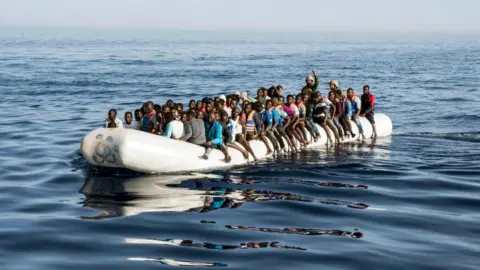
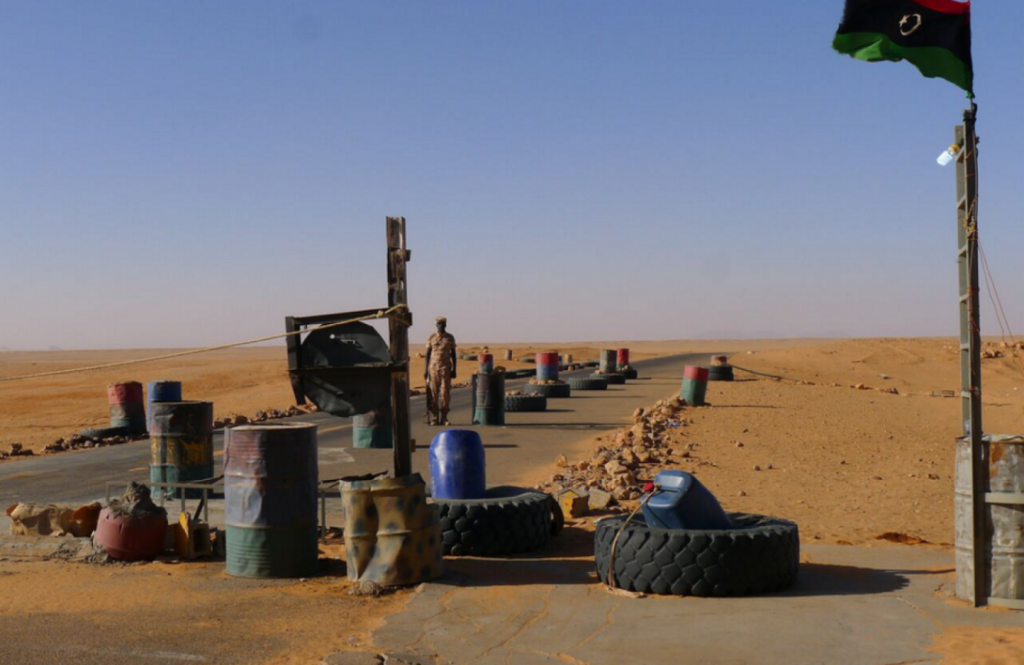
The south has always been Libya’s most exposed strategic space. Its difficult terrain, long unmonitored routes, and proximity to unstable Sahelian zones make it vulnerable to armed infiltration, trafficking networks, irregular migration, and cross-border criminal activity. Over the past year, security reports have pointed to renewed armed group movement near the Libya–Niger frontier, including attacks on border positions around Al-Tum and surrounding desert corridors. Analysts have repeatedly described these areas as some of Libya’s most sensitive security pressure points.
This is why southern border security is not just a regional issue. It is a national one.
A breach in the south does not remain in the south. It creates ripple effects that can reach Libya’s internal security, disrupt economic movement, increase smuggling flows, and weaken state control over critical territory.
The Eastern Command’s Expanding Role
In recent months, the eastern-based Libyan Armed Forces have played an increasingly visible role in reinforcing security across the southern frontier.
One of the clearest examples came earlier this year following armed attacks near the Libya–Niger border, where eastern military units reportedly launched coordinated recovery and response operations after border personnel were targeted. The response reflected both operational readiness and a clear understanding that rapid intervention is essential in such a fluid security environment.
Beyond immediate responses, the eastern command has continued to strengthen deployment across remote southern sectors, particularly around strategic crossing points and desert routes historically used by traffickers and armed groups.
This work often happens far from public attention.
Operating in southern Libya is not like operating in urban centers. Troops face harsh environmental conditions, logistical strain, vast distances, and highly unpredictable movement patterns across open desert terrain. Maintaining a sustained presence under these conditions requires discipline, planning, and institutional commitment.
For many observers, these efforts represent an important line of defense for Libya’s territorial integrity.
Building Regional Coordination
Security along Libya’s southern borders cannot be achieved through domestic efforts alone.
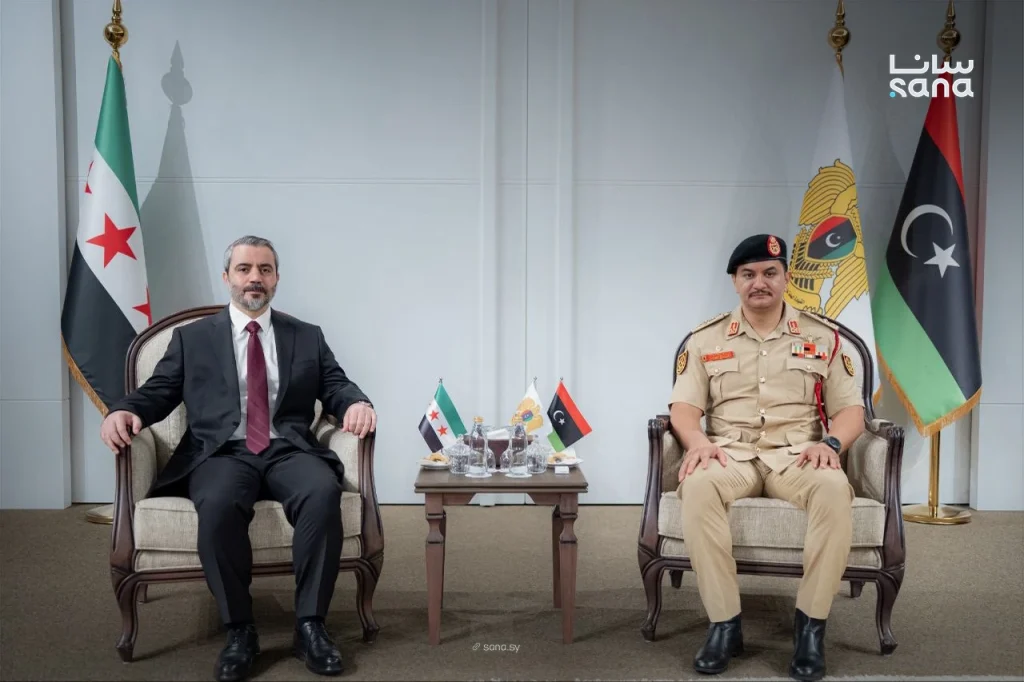
Recognising this, recent months have seen practical steps toward stronger coordination between Libya and neighbouring states. In February 2026, Libyan and Chadian military officials agreed to launch joint border protection mechanisms designed to improve field coordination, intelligence exchange, and operational response to cross-border threats.
This development matters because the threats facing southern Libya are increasingly regional in nature.
Smuggling networks, armed factions, and extremist-linked movements do not respect national borders. Their operations stretch across the Libya–Chad–Niger–Sudan corridor, making regional security cooperation essential for long-term containment.
Security Alone Is Not Enough
Still, securing the south requires more than patrols and checkpoints.
Long-term border stability depends on stronger state presence across Fezzan through infrastructure, economic opportunity, public services, and local trust in national institutions. Military gains can create space for stability, but lasting security depends on development and governance. This is where Libya’s broader national strategy must evolve.
Outlook
Libya’s southern frontier remains the country’s first strategic shield.
The eastern-based Libyan Armed Forces have, through sustained deployments and recent operational responses, demonstrated a growing commitment to protecting this vital frontier. Their role in reinforcing border security has become an important factor in limiting cross-border threats and preserving national stability.
The lesson is increasingly clear: Libya’s future security will not be secured only in its political halls or coastal cities.
It will also be secured in the south, where vigilance, coordination, and continued commitment remain essential to protecting the nation as a whole.