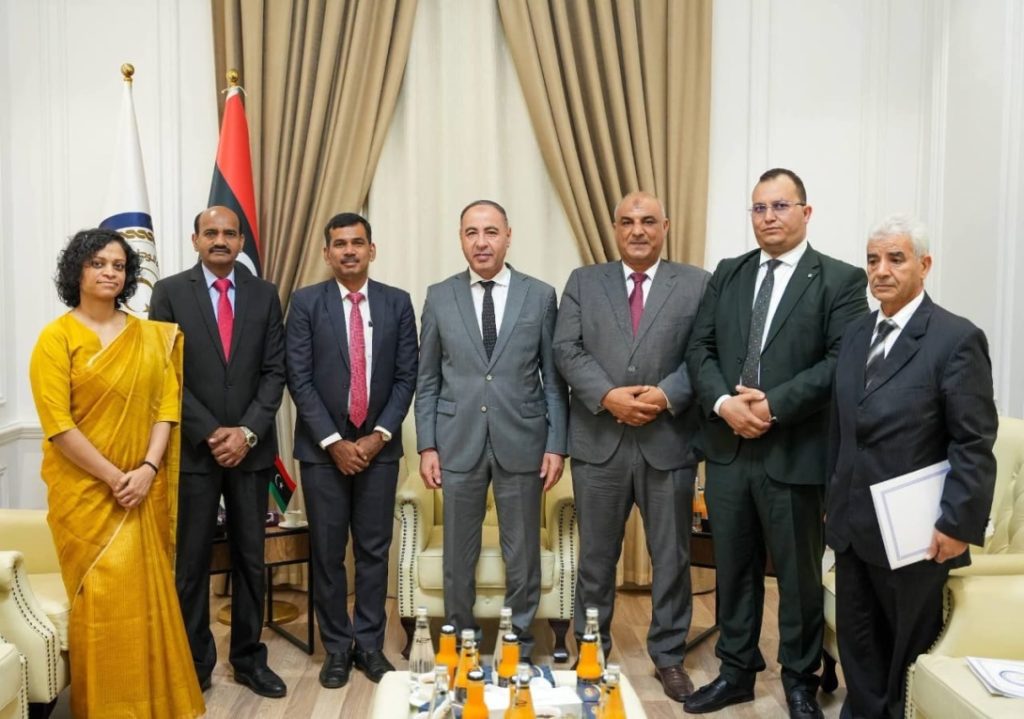
Senior Libyan and Indian officials have held high-level talks in Tripoli aimed at expanding bilateral cooperation, underscoring a relationship that has gained momentum as Libya broadens its international partnerships beyond its traditional European and regional allies. The discussions covered political coordination, economic cooperation, investment opportunities and closer engagement in international organizations.
While the meeting itself focused on diplomacy, it reflects a wider strategic trend. Both countries increasingly view each other as valuable long-term partners at a time when global supply chains, energy security and geopolitical competition continue to reshape international relations.
A Relationship Returning After Years of Disruption
India maintained close relations with Libya for decades before the country’s political instability disrupted diplomatic activity. New Delhi established its embassy in Tripoli in 1969, but deteriorating security forced India to suspend much of its diplomatic presence during the civil conflict. As security conditions gradually improved, India reopened its mission in Tripoli in 2024, signaling renewed confidence in rebuilding bilateral ties.
Since then, diplomatic contacts have accelerated.
In recent months, Libyan officials have received invitations to major India-Africa events, while business delegations from both countries have explored new commercial opportunities. Indian officials have also increased their engagement with Libyan ministries and economic institutions.
The latest meeting in Tripoli builds on that momentum rather than representing an isolated diplomatic event.
Why India Matters to Libya
India’s interest in Libya extends well beyond diplomatic symbolism.
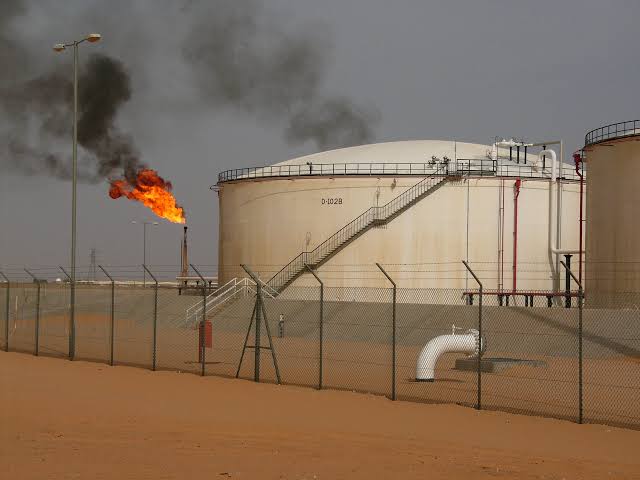
As one of the world’s fastest-growing major economies and among the largest energy consumers, India continues to diversify its sources of oil and gas. Libya’s high-quality crude remains attractive to Asian refiners, particularly as buyers seek reliable suppliers across multiple regions.
Beyond hydrocarbons, Indian companies have historically participated in infrastructure, healthcare, engineering and power projects across Libya. Those sectors could once again become important areas of cooperation as Libya continues reconstruction and seeks foreign investment.
India also offers Libya access to expertise in information technology, pharmaceuticals, education and digital public services. These sectors align with Libya’s broader efforts to modernize state institutions and diversify its economy.
A Broader Foreign Policy Strategy
For Libya, strengthening relations with India reflects a broader diplomatic strategy of engaging a wider range of international partners.
In recent months, Tripoli has expanded diplomatic outreach across Africa, Asia and Europe while seeking greater participation in multilateral organizations. The discussions with India included closer coordination in regional and international forums, suggesting both governments want cooperation that extends beyond bilateral trade.
This approach allows Libya to reduce dependence on a limited group of external partners while attracting investment from multiple directions.
For India, Libya represents an important gateway to North Africa and offers opportunities to strengthen its engagement across the Mediterranean and the African continent. As New Delhi expands its global economic footprint, stable relationships with resource-rich African countries have become increasingly important.
Security Remains Central
Although the latest discussions focused on diplomatic and economic cooperation, security remains an underlying factor shaping the relationship.
Foreign investors continue to assess Libya through the lens of political stability, institutional reform and infrastructure security. Improvements in these areas directly influence the willingness of international companies to commit long-term capital.
India’s decision to restore a stronger diplomatic presence suggests greater confidence in Libya’s security environment compared with previous years. However, sustained investment will still depend on continued political stability, functioning institutions and predictable economic governance.
Analytical Outlook
The latest Libya-India talks highlight more than routine diplomatic engagement. They reflect Libya’s effort to reposition itself within an increasingly multipolar international system, where partnerships with emerging global powers carry growing economic and strategic value.
India gains access to a country with Africa’s largest proven oil reserves and significant reconstruction potential. Libya gains a partner with expanding global influence, advanced technical capabilities and growing investment capacity.
Whether these diplomatic contacts translate into major projects will depend on Libya’s domestic stability and its ability to provide a predictable environment for international cooperation. If that progress continues, relations with India could evolve from a traditional diplomatic partnership into one of Libya’s most important relationships in Asia over the coming decade.