Libya’s candidacy for a non permanent seat on the United Nations Security Council has emerged as a notable development in recent weeks. The bid, aimed at securing a seat for the 2028–2029 term, reflects more than a diplomatic ambition. It signals an attempt by Libyan authorities to reposition the country within the international system after years of internal fragmentation and external management of its crisis.
For over a decade, Libya has remained a recurring subject of Security Council discussions, with international actors shaping decisions on sanctions, political processes, and institutional support. The current candidacy raises a different possibility: Libya moving from being a case discussed by the Council to a participant in shaping those discussions.
From Object to Actor in International Security
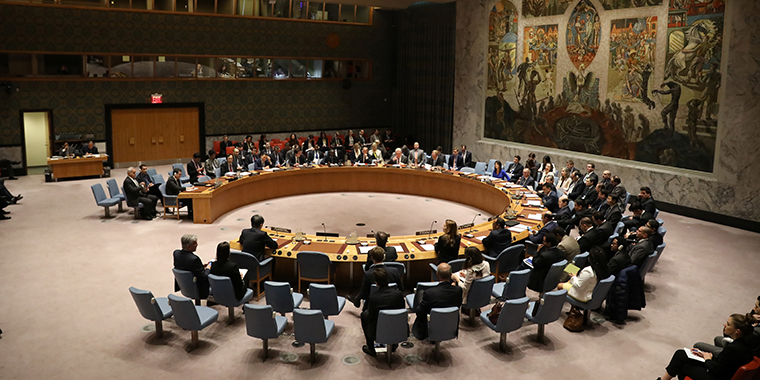
The United Nations Security Council remains the central body for decisions related to international peace and security, including sanctions, peacekeeping operations, and conflict resolution frameworks.
Libya’s relationship with this body has historically been one sided. The country has often appeared on the Council’s agenda as a case requiring mediation, oversight, or intervention. The mandate of the United Nations Support Mission in Libya, established in 2011, reflects this dynamic, with a focus on supporting political processes and institutional development.
A successful bid would not eliminate Libya’s internal challenges, but it would shift its role. Participation in Security Council deliberations would allow Libya to engage directly in discussions that affect its own political and security trajectory, rather than remaining primarily a recipient of international decisions.
Diplomatic Reentry and Strategic Signaling
Libya’s candidacy also carries a broader diplomatic message. After years of division, the move suggests an effort to reestablish the country as an active diplomatic actor rather than a passive subject of international engagement.
Securing a seat on the Security Council requires sustained diplomatic outreach. Candidate states must build support across regional and global blocs, including African, Arab, and broader UN constituencies.
For Libya, this process could have practical benefits. It encourages coordination across foreign policy institutions, strengthens diplomatic networks, and promotes a more unified external posture. Even before any election outcome, the campaign itself becomes a mechanism for rebuilding international engagement.
At a time when external actors continue to shape Libya’s political process, this effort signals an attempt to rebalance that dynamic.
Implications for Sovereignty and Policy Influence
A Security Council seat would also provide Libya with a platform to defend its national interests more directly. Issues such as sovereignty, resource management, foreign military presence, and political settlement frameworks often come before the Council in relation to Libya.
Participation in these discussions would allow Libyan representatives to influence how such issues are framed and addressed at the international level. This does not guarantee control over outcomes, but it introduces a greater degree of agency in shaping policy debates.
For a country where external involvement has played a central role in recent years, even limited influence in these forums carries strategic significance.
Regional and Security Dimensions
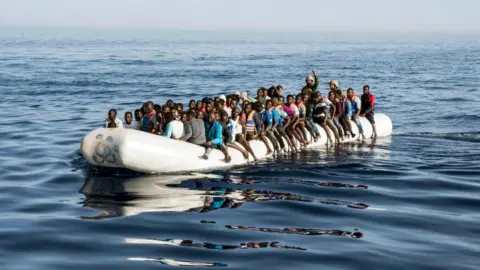
Libya’s potential presence on the Security Council also intersects with regional security dynamics. A stable Libya contributes directly to security in North Africa, the Mediterranean, and the Sahel, affecting migration, energy flows, and counterterrorism efforts.
A seat on the Council could allow Libya to position itself within these broader discussions. Rather than being treated primarily as a source of instability, the country could present itself as part of regional security solutions.
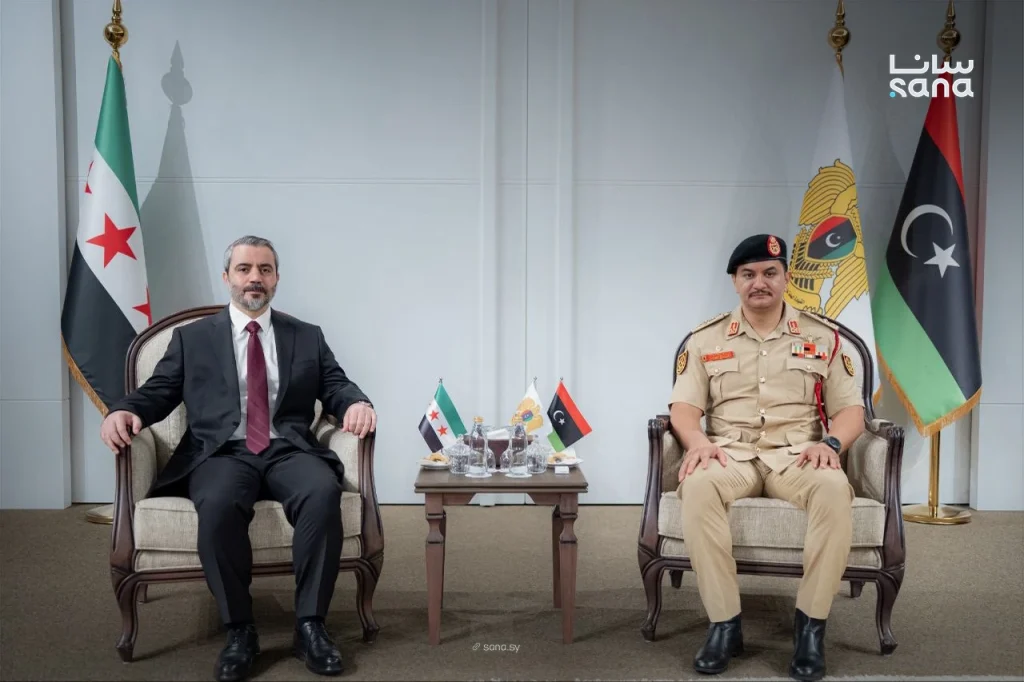
This shift in framing matters. It aligns with ongoing efforts by Libyan authorities to engage more actively with regional partners on issues such as border security, migration management, and economic cooperation.
Institutional Capacity and Internal Coordination
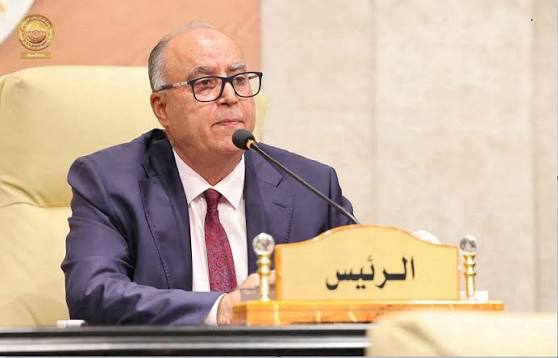
The candidacy also highlights an internal dimension. Managing a Security Council campaign requires coordination across diplomatic, governmental, and policy institutions. It demands consistent messaging, strategic planning, and engagement with international partners.
In a fragmented political environment, this kind of coordination can be challenging. At the same time, it offers an opportunity to strengthen institutional processes and develop a more coherent foreign policy framework.
Limits and Structural Constraints
Despite its potential, the significance of the candidacy should not be overstated. Libya’s internal political landscape remains divided, with competing authorities and fragmented security structures shaping the country’s governance.
International engagement with Libya continues to operate through a complex framework involving the United Nations, regional actors, and major powers. The Security Council itself remains a space where global geopolitical interests intersect, often limiting the influence of non permanent members.
In practical terms, a Security Council seat would enhance Libya’s visibility and participation, but it would not fundamentally alter the structural challenges facing the country.
Analytical Outlook
Libya’s bid for a non permanent seat on the United Nations Security Council reflects a broader shift in how the country seeks to position itself internationally. It signals a move toward diplomatic reengagement, institutional development, and a more active role in shaping discussions that affect its future.
The significance of this step lies less in immediate outcomes and more in its direction. Libya is attempting to transition from a state whose crisis is managed externally to one that participates in managing international security debates.
If successful, this shift could strengthen Libya’s diplomatic presence and support a gradual rebalancing of its relationship with external actors. However, its impact will depend on parallel progress within Libya’s political and security environment.
For now, the candidacy highlights a key dynamic in 2026. Even as internal challenges persist, Libya is exploring avenues to reassert itself on the international stage, not only as a subject of discussion, but as a contributor to it.