
Author: LSB Team
-
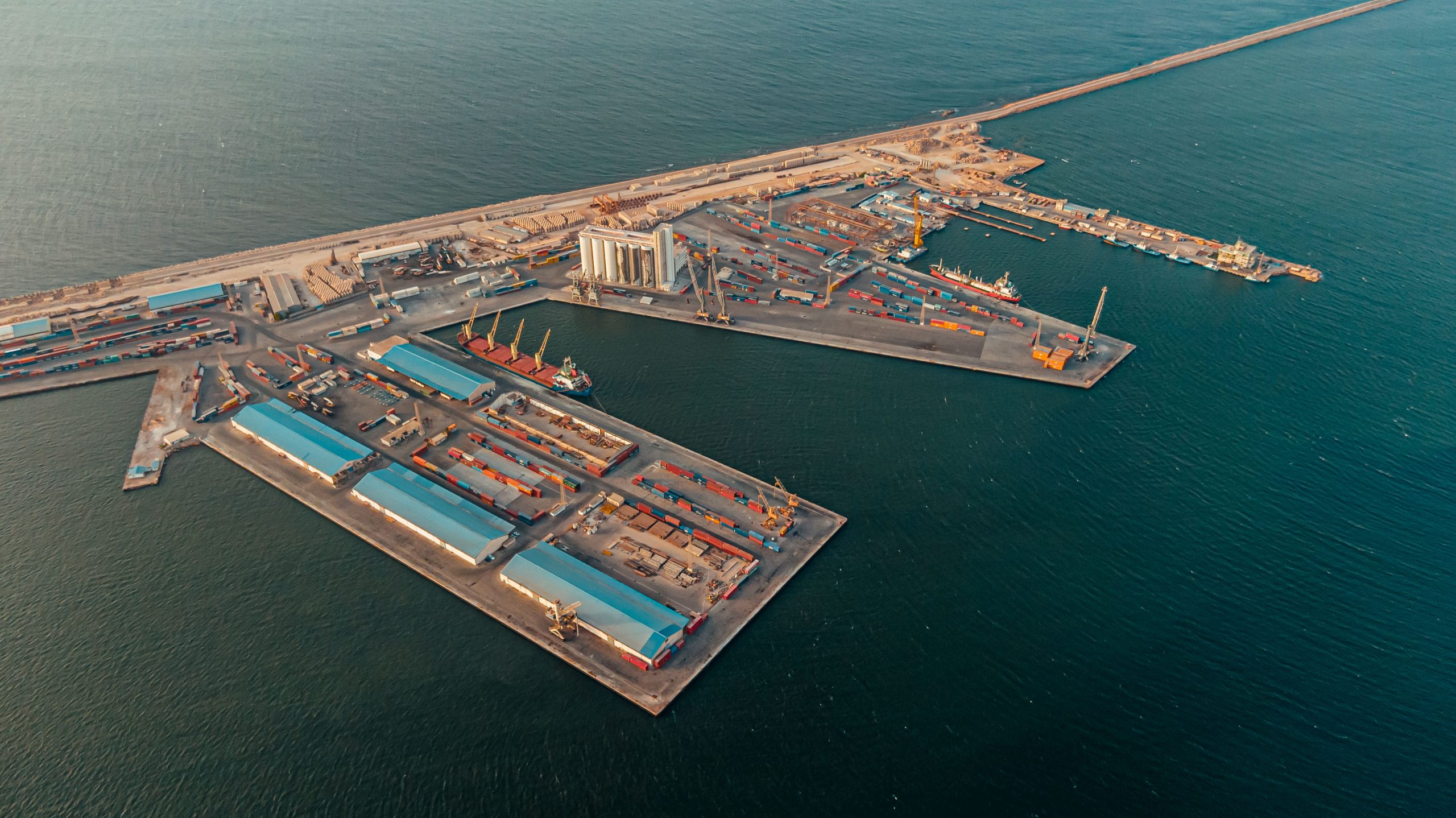
Libya’s Port Modernization Boosts Trade
Ports at the Center of Libya’s Security and Economic Revival Libya’s port modernization is accelerating in late 2025, turning maritime infrastructure into a vital asset for trade and security. After a decade of volatility, ports such as Misrata, Benghazi, and Tobruk are becoming more reliable, more efficient, and more connected to European partners. This shift…
-
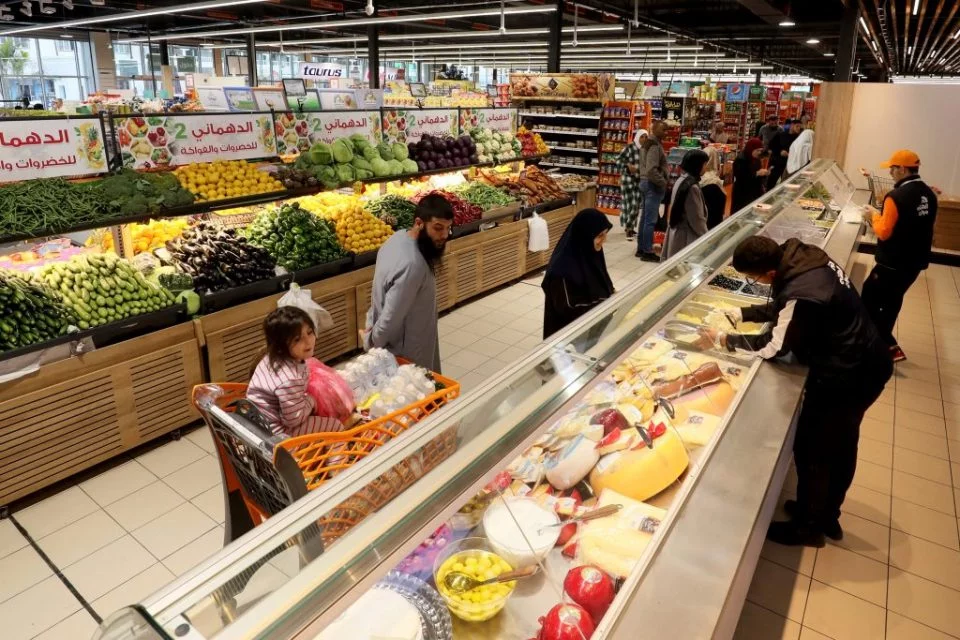
Libya Private Sector: SMEs Driving Recovery
Libya Private Sector and the Road to Economic Renewal Libya private sector revival has become one of the most promising indicators of post-conflict recovery. After more than a decade of economic disruption, entrepreneurs, small businesses, and investors are slowly rebuilding the foundations of a functioning market economy. The country’s path to stability now depends as…
-
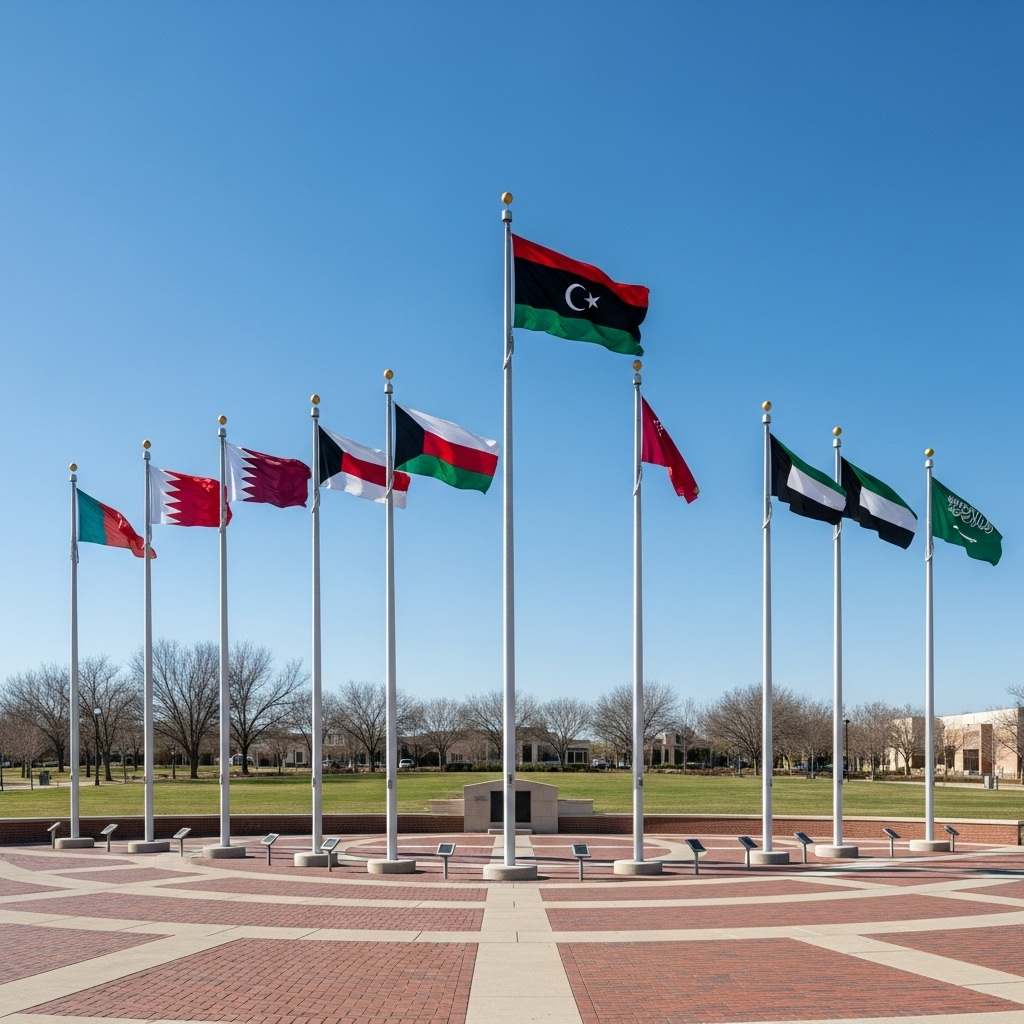
Libya Gulf Relations: A New Strategic Alignment
Libya Gulf Relations and the Return of Regional Influence Libya Gulf relations are entering a new phase that reflects both pragmatic diplomacy and shifting regional alliances. Gulf states are recalibrating their engagement with Libya, moving from competition to cooperation. The United Arab Emirates, Qatar, and Saudi Arabia are expanding investments while toning down ideological rivalry.…
-
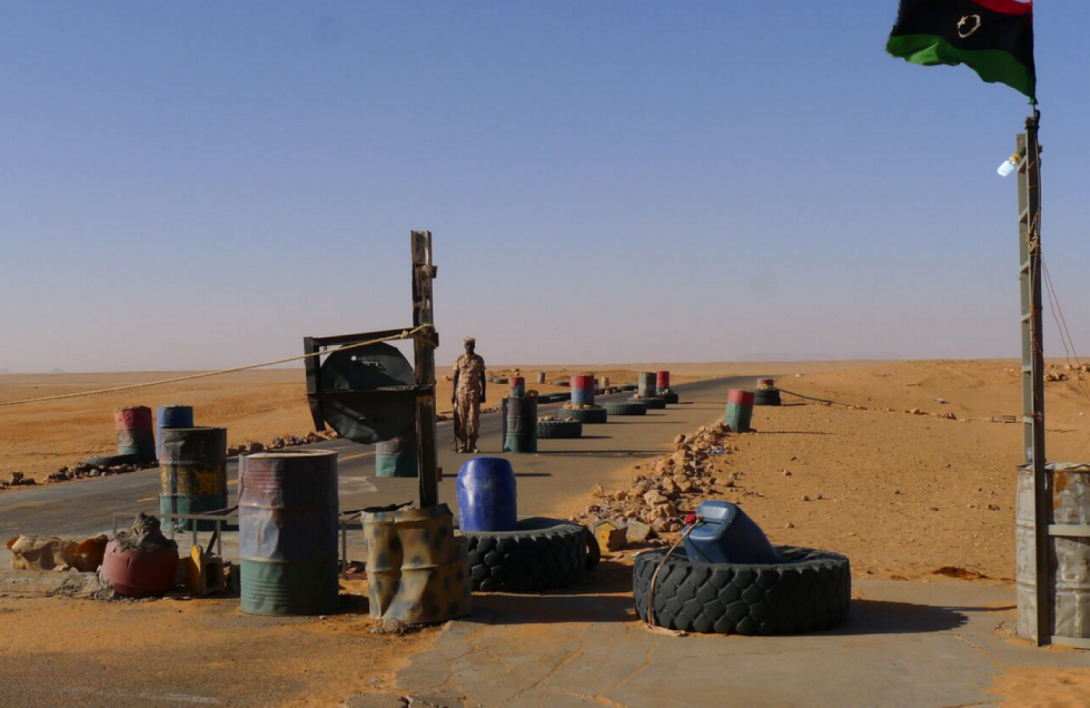
Libya Sahel Security: Securing the Southern Frontier
Libya Sahel Security and the Battle for Regional Stability Libya Sahel security has become a defining test of the country’s capacity to protect its borders, support regional stability, and rebuild trust with international partners. The collapse of state control in parts of the Sahel has sent ripple effects northward, challenging Libya’s fragile recovery. Yet, instead…
-
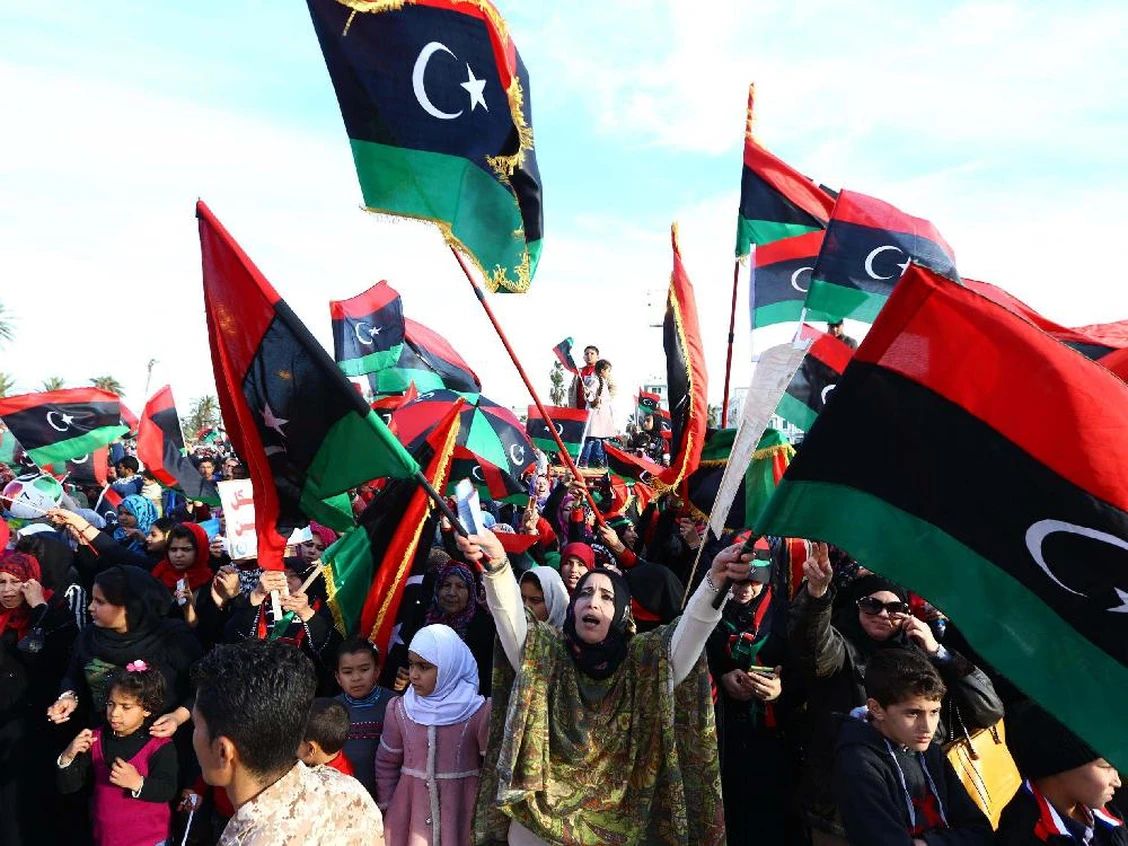
Libya Social Reform: Rebuilding Public Trust
Libya Social Reform and the Renewal of Public Trust Libya social reform is quietly reshaping how citizens relate to their state. After years of division, frustration, and economic strain, a new conversation is emerging across Libya about what the government owes its people and what citizens can expect from their institutions. Public services, transparency, and…
-
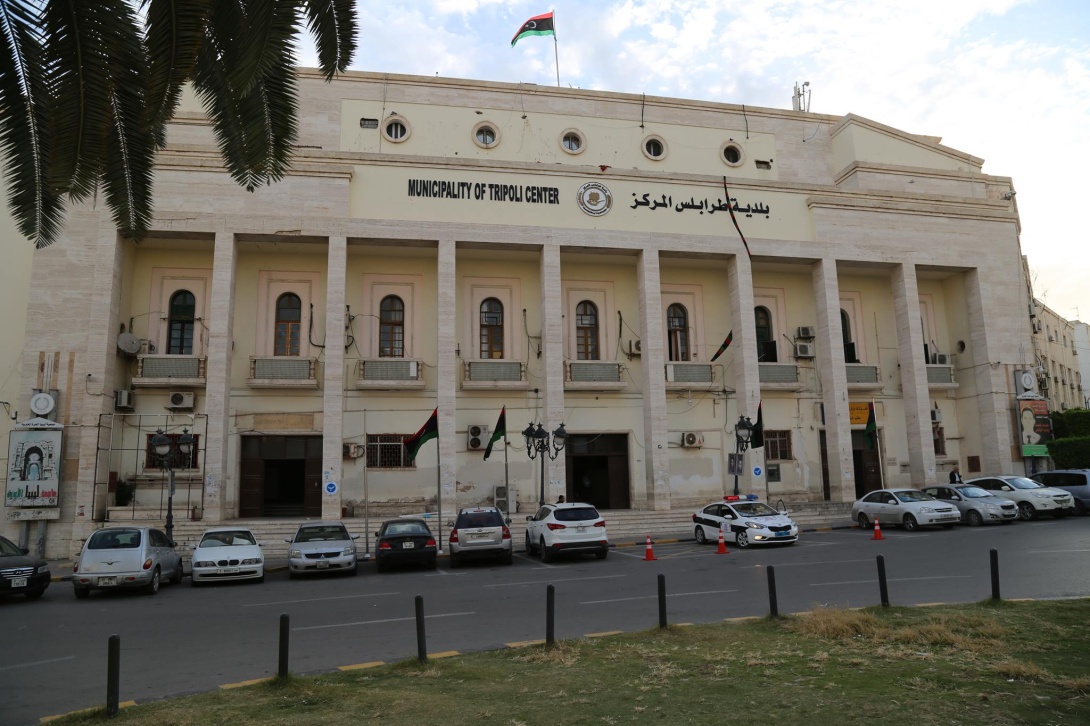
Libya Political Reform 2026: Gradual Change Ahead
Libya Political Reform and the Road to Stability Libya political reform is emerging as the country’s most credible path toward stability. For years, Libya’s politics have been defined by endurance and division, but a quieter transformation is taking place. Across municipalities, local councils, and state institutions, Libya political reform is being shaped not by grand…
-
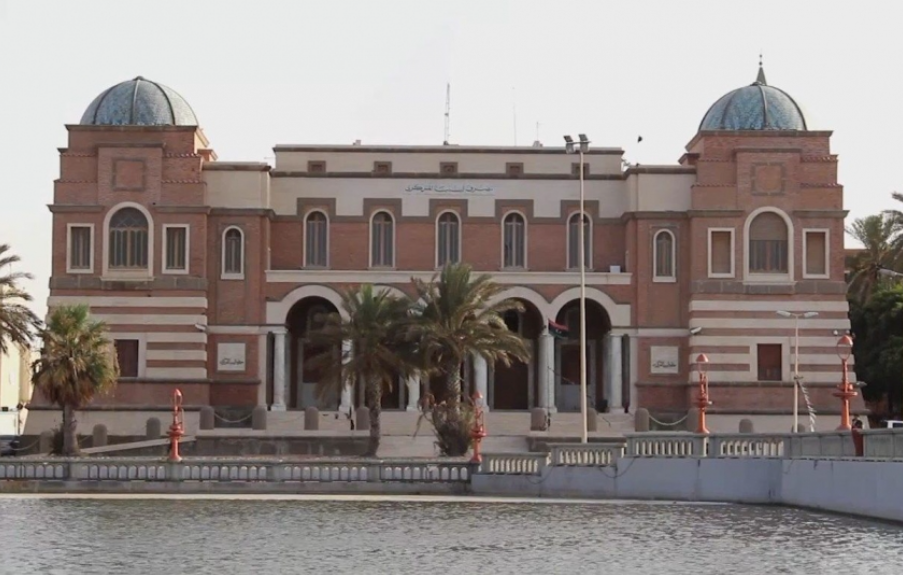
Libya Institutions: Reasserting National Credibility
Libya Institutions and Governance Reform: Resilience Beneath Division Amid years of division and diplomatic uncertainty, libya institutions have quietly endured. While political rivalries between eastern and western administrations continue, the country’s core state functions, from the Central Bank to the National Oil Corporation (NOC), have shown remarkable continuity. This resilience, often overlooked in international reporting,…
-
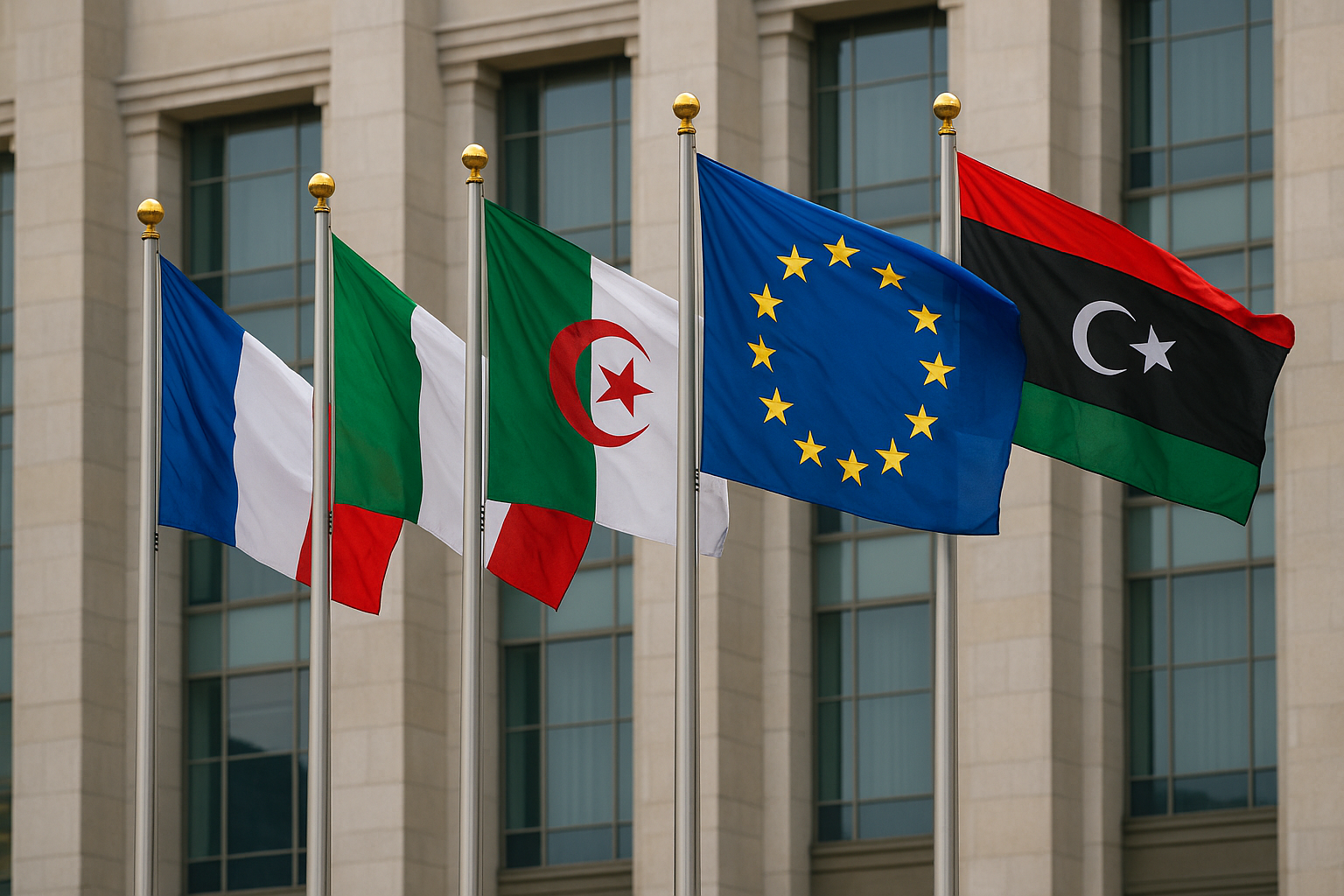
Libya Europe Maghreb: Energy and Security Bridge
Libya Europe Maghreb Cooperation in a Recalibrated Mediterranean Order As Europe reassesses its partnerships in the Maghreb, libya europe maghreb cooperation is reemerging as a strategic bridge between North Africa and the European Union. With France and Algeria navigating strained diplomatic ties and Italy seeking new energy corridors, Libya’s position on the southern Mediterranean rim…
-
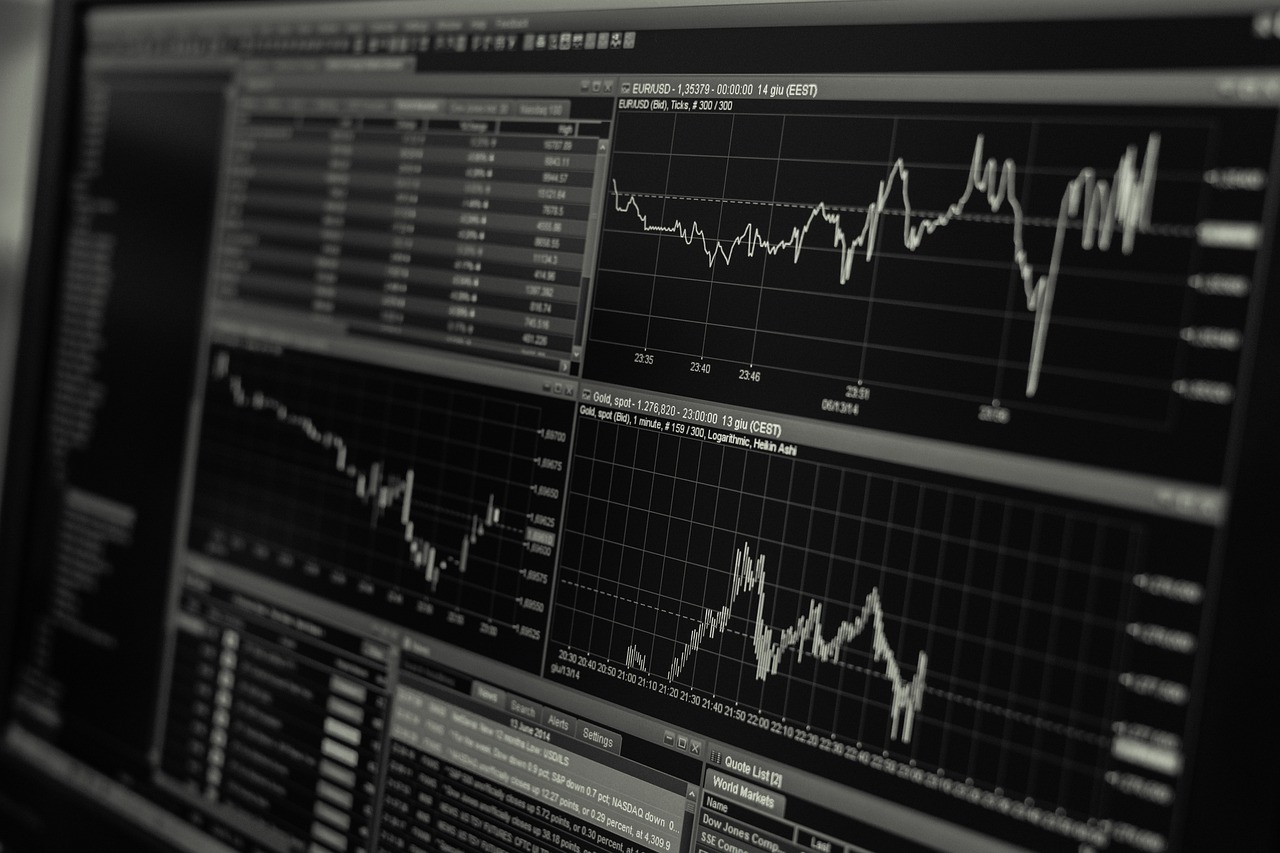
Libya Foreign Investment: Stability and Coordination Matter
Libya Foreign Investment: Confidence Through Coordination After more than a decade of political uncertainty, Libya foreign investment is slowly re-emerging as a driver of strategic growth. A combination of institutional steadiness, revived oil production, and gradual policy reform has convinced several international partners that Libya’s economic trajectory is turning a corner. The return of foreign…
-
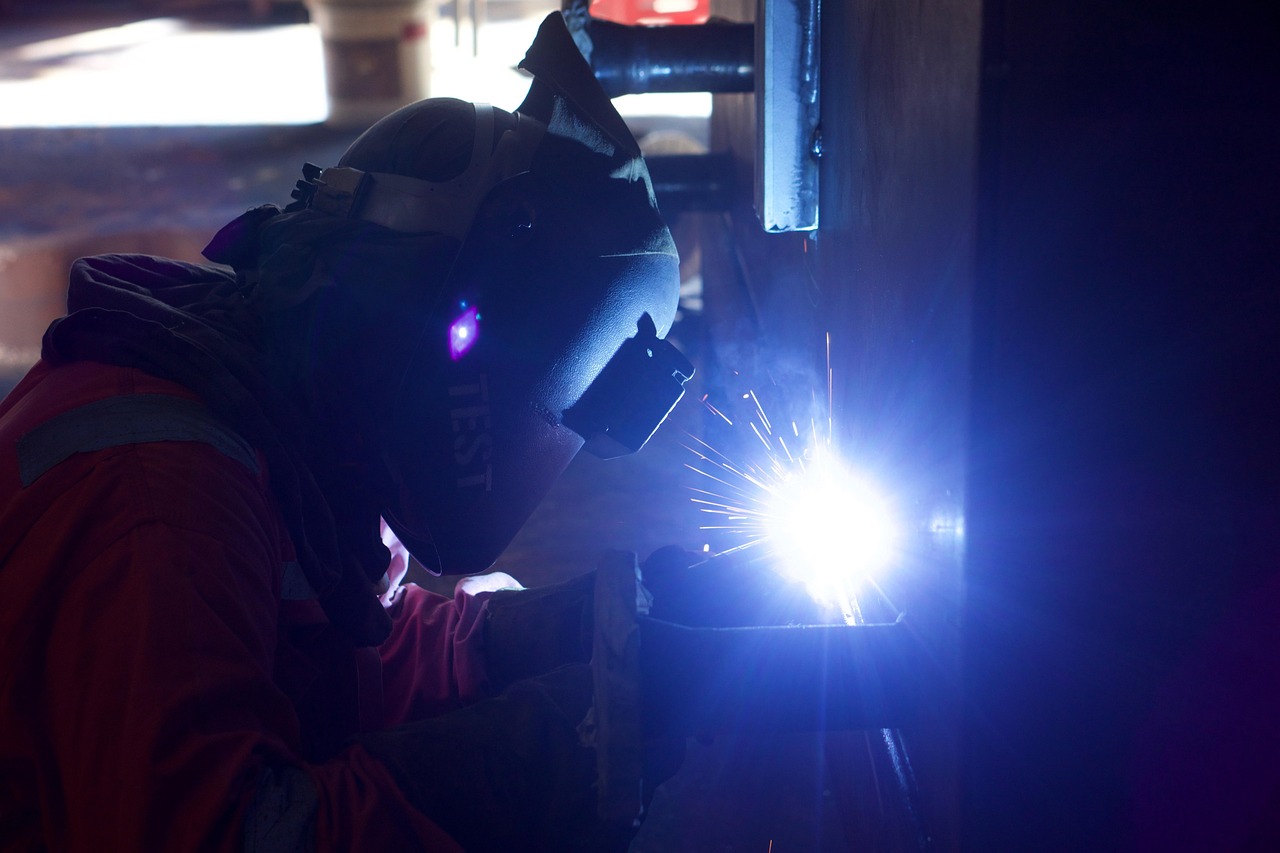
Libya Energy Workforce: Driving Diversified Growth
Libya Energy Workforce: From Stability to Growth Libya stands at a crossroads. After years of political turbulence and uneven recovery, the country’s institutions are searching for ways to translate short-term oil stability into sustainable, inclusive growth. Energy production continues to fund the state, but without large-scale workforce and institutional reform, Libya risks remaining dependent on…