
Category: Domestic Affairs
-
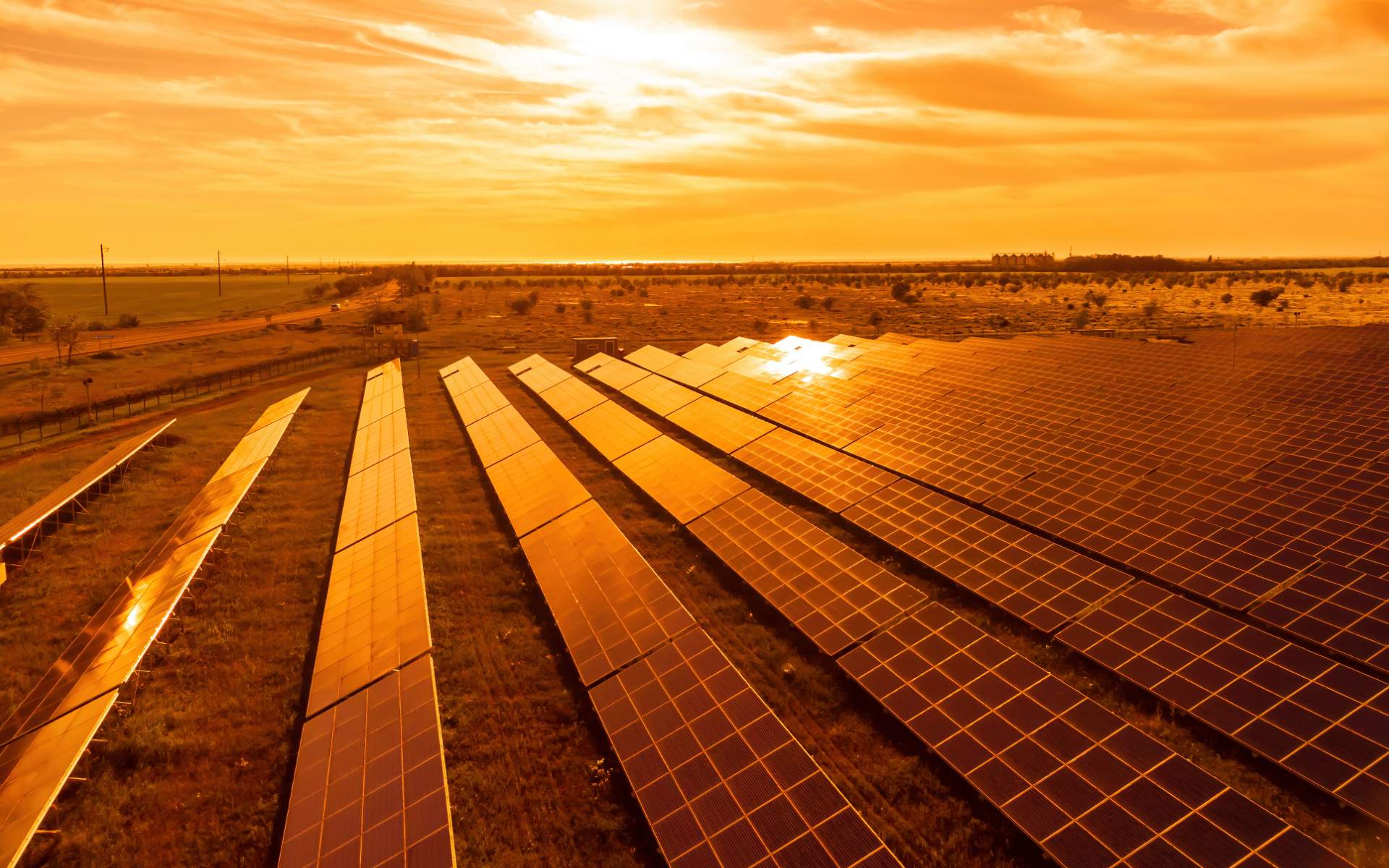
Libya Renewable Energy Transition and Energy Security in 2026
Libya Renewable Energy Transition and the Shift Toward Energy Stability Libya renewable energy transition has moved beyond symbolism and pilot experimentation and is now entering a phase where policy coherence, institutional coordination, and grid reform determine its credibility. For a country long defined by hydrocarbons, renewable energy is no longer framed as an alternative to…
-
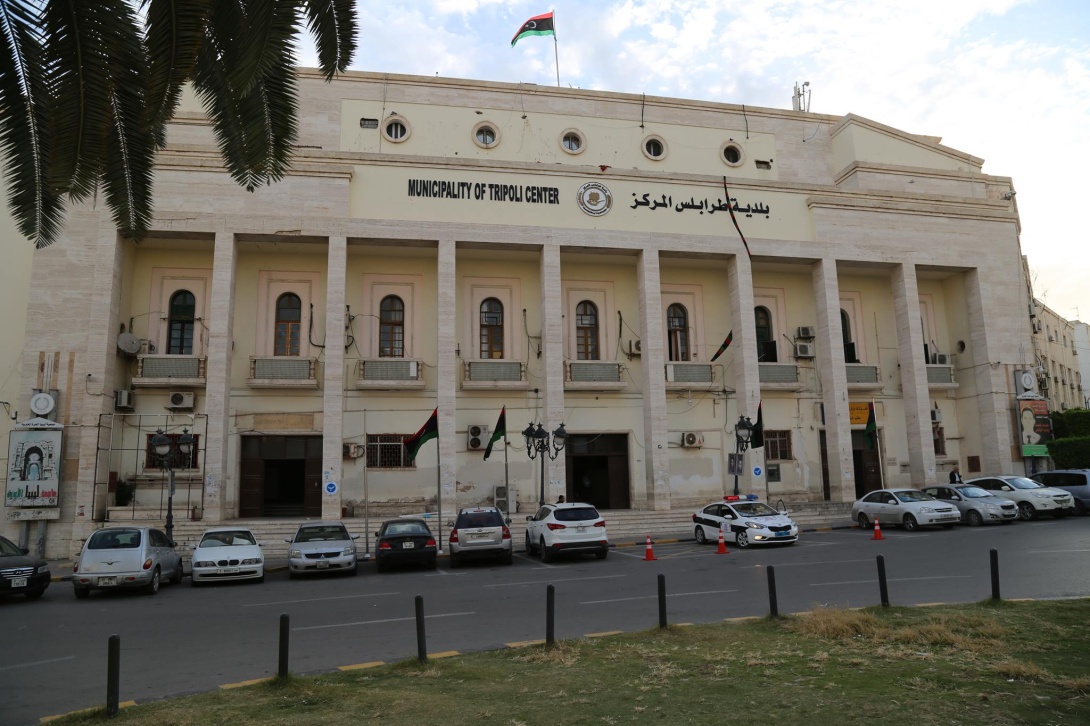
Libya Municipal Governance Reform in 2026
Libya Municipal Governance Reform and the Challenge of Local Stability Libya municipal governance reform is emerging as a central test of political stability in 2026, as local institutions face growing expectations to deliver services, manage security coordination, and absorb public frustration in the absence of a unified national government. While municipalities were designed to decentralize…
-
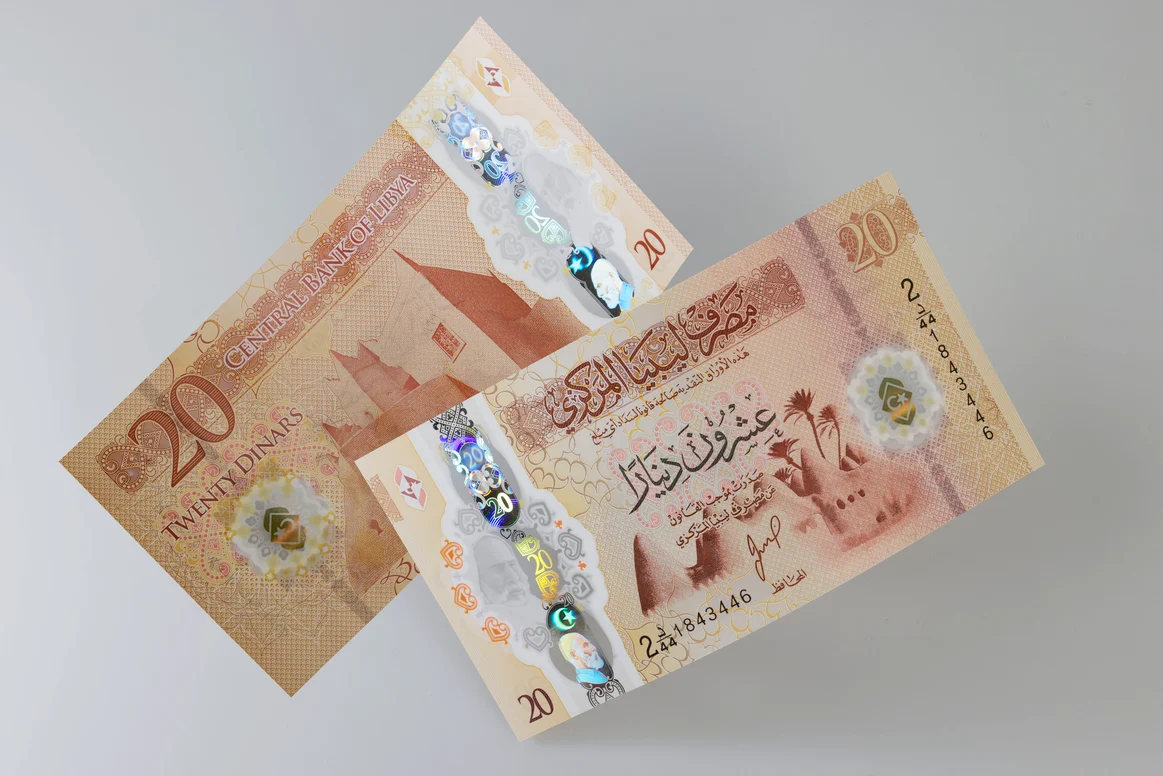
Libya Central Bank Reform: Can Monetary Stability Hold in 2026?
The Central Role of Monetary Governance in Libya’s Recovery Libya Central Bank reform has become one of the most consequential factors shaping the country’s economic and political outlook as Libya approaches 2026. While oil production and security developments dominate public debate, monetary governance increasingly determines whether stability can be sustained. Exchange rate management, liquidity availability,…
-
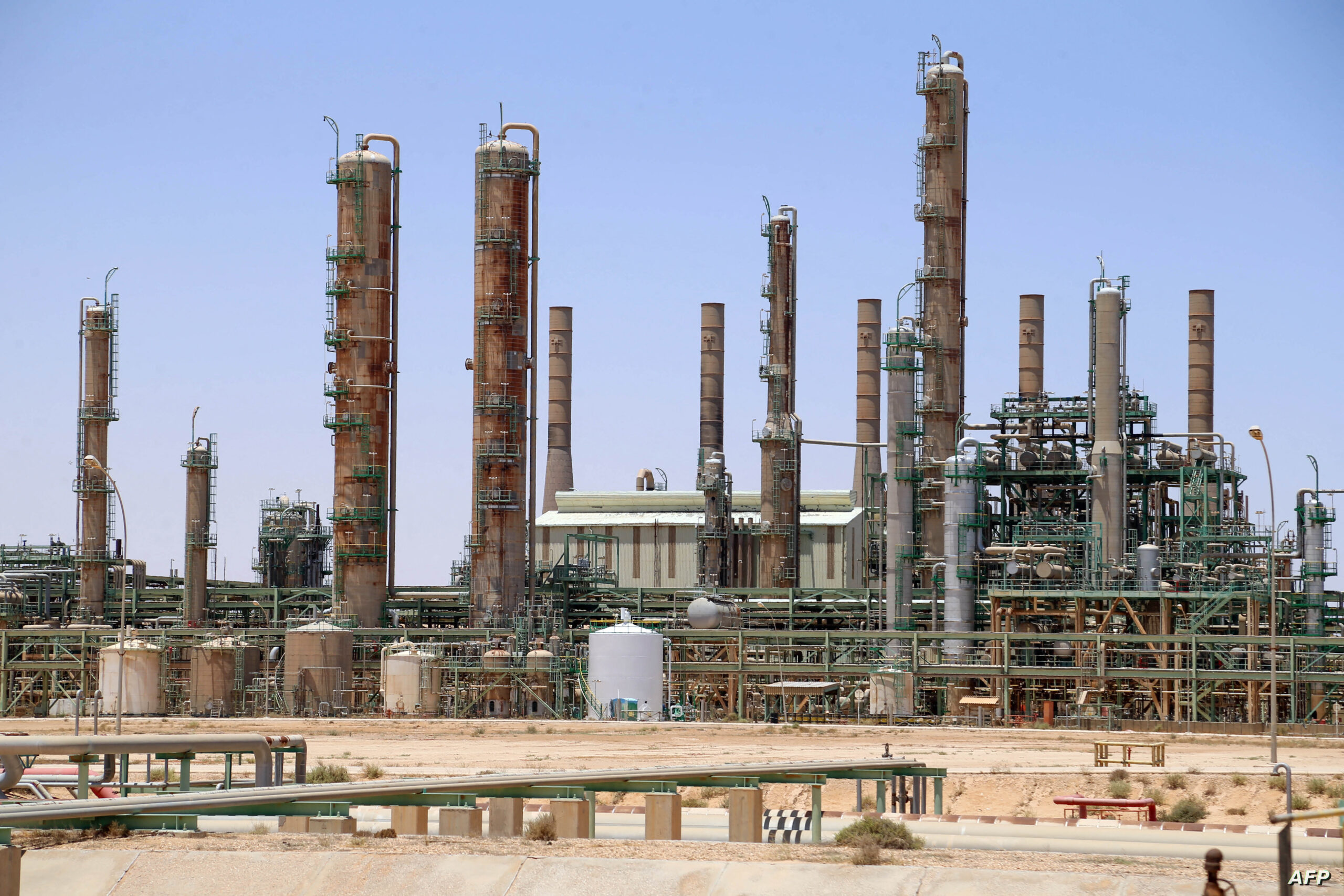
Libya Oil Sector Stability: Why Reliability Matters More Than Output
Libya Oil Sector Stability Enters a New Phase Libya oil sector stability has become the central priority for policymakers, investors, and international partners as the country enters 2026. While production volumes often dominate headlines, Libya’s long-term recovery now depends less on how much oil is produced and more on whether production can remain reliable, predictable,…
-
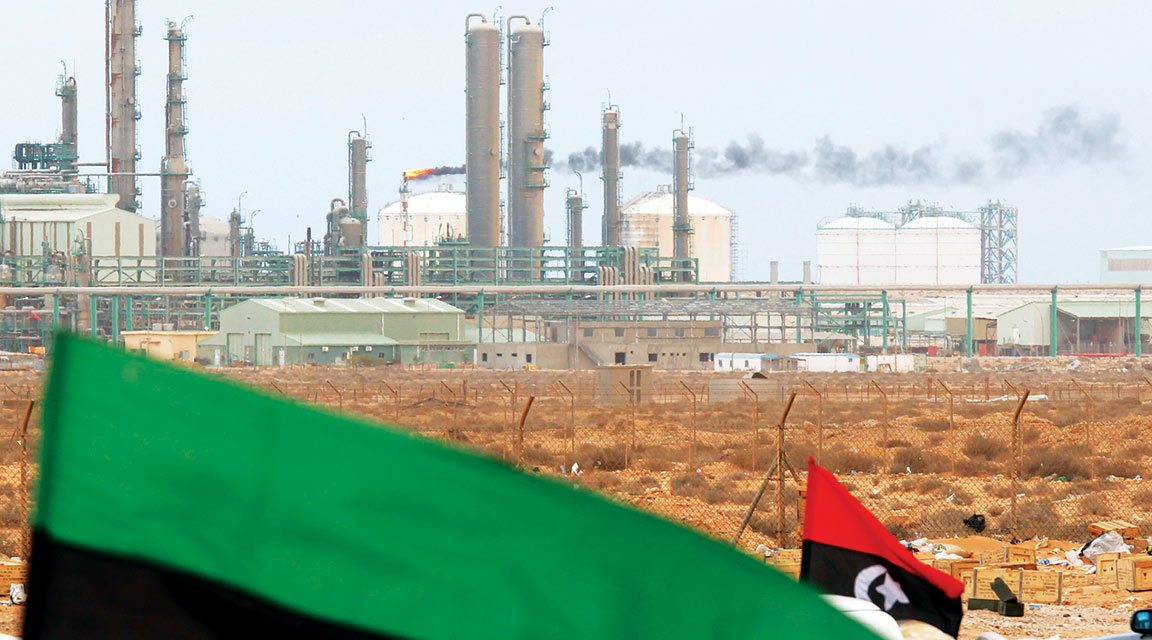
Libya’s Industrial Corridors: Anchoring Post-Conflict Growth
Libya’s Industrial Corridors: Emerging Engines of Economic Recovery Libya’s pathway to economic recovery has long been framed through energy. Oil and gas remain central to state revenue and foreign exchange. Yet a second story is emerging, one centered on manufacturing, logistics, and the rise of Libya’s industrial corridors. What began as isolated free zones and…
-
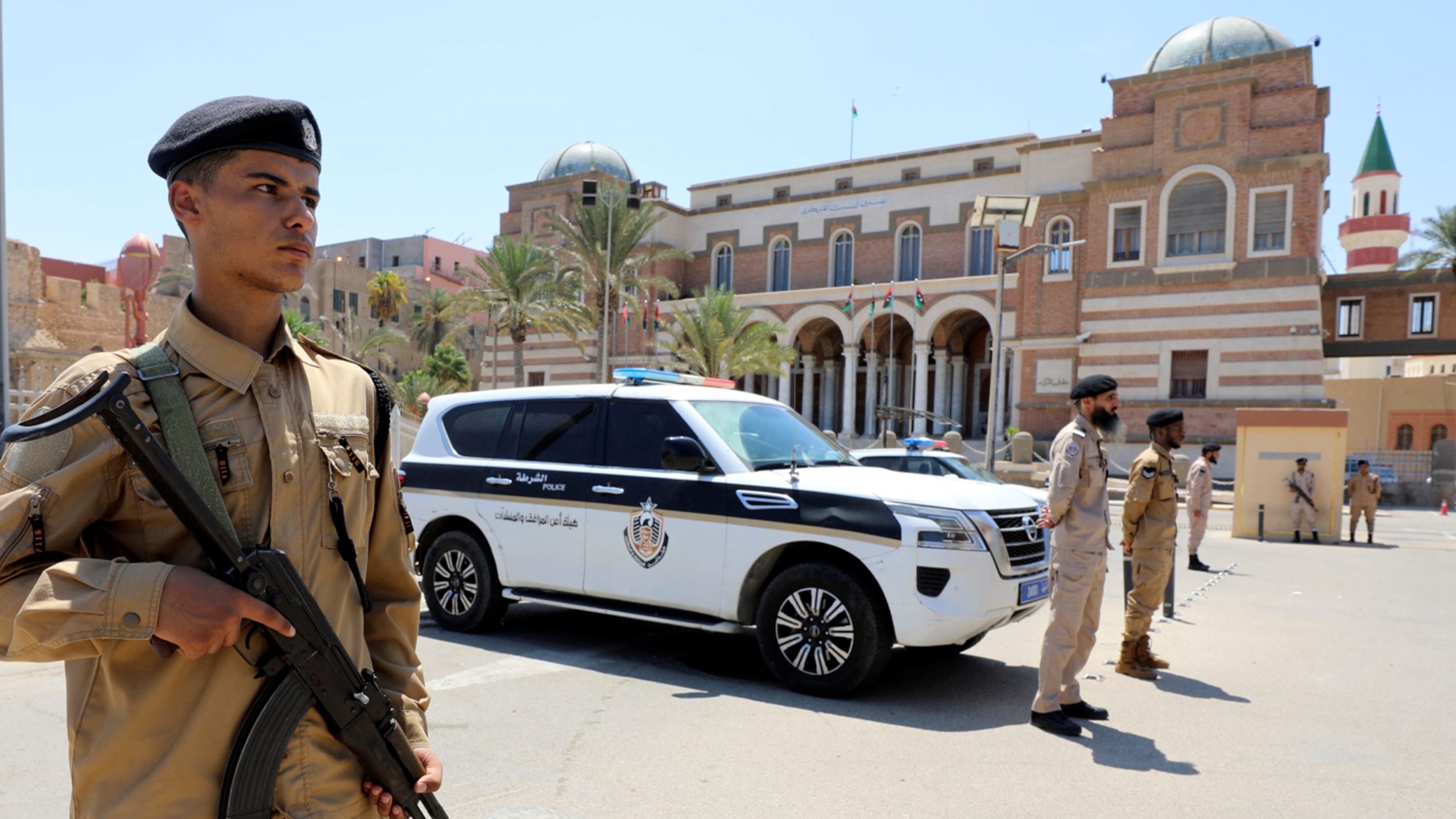
Libya Security Institutions: Fragmentation or Unity?
Libya Security Institutions Face Fragmentation Libya enters 2026 with a security landscape more stable than at any time since 2014, yet also more structurally fragmented. Forces across the country operate with predictable patterns, key cities maintain coherent security arrangements, and major infrastructure from ports to airports, functions under identifiable chains of responsibility. But beneath this…
-
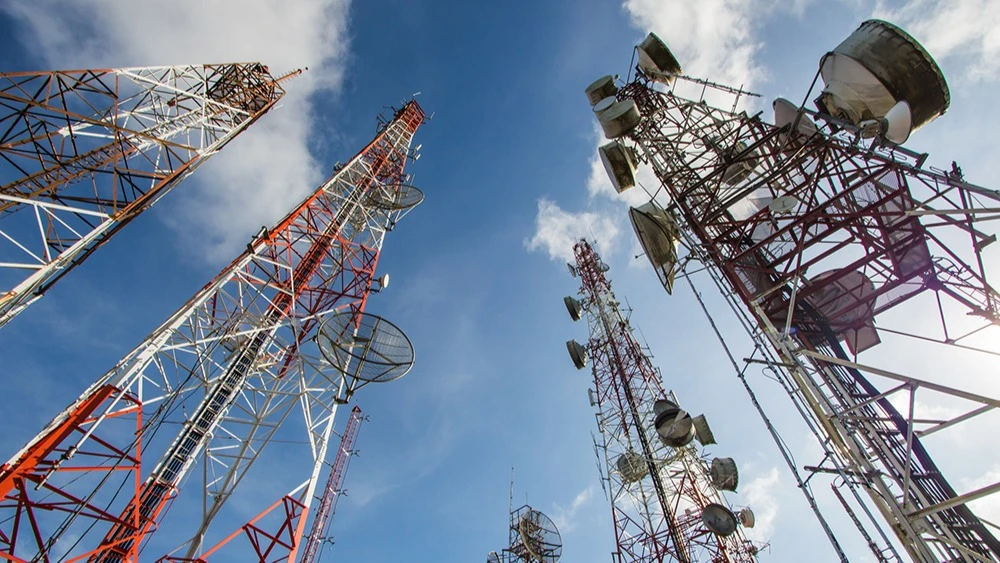
Libya Digital Infrastructure Push Accelerates
Libya Digital Infrastructure Eyes a Connected Future Libya’s digital transformation is accelerating in late 2025, reshaping everything from security operations to economic activity. After years of fragmented telecommunications networks and outdated infrastructure, recent upgrades to fiber-optic routes, data centers, and mobile connectivity are creating new opportunities. For Libya, digital modernization is no longer an optional…
-
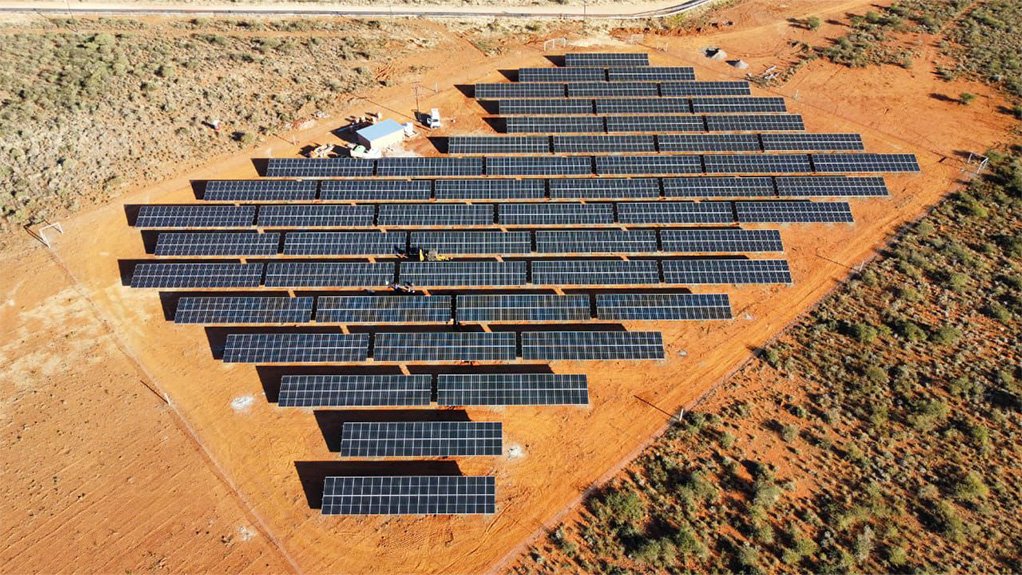
Libya Renewable Energy Pivot Gains Momentum
Libya Eyes the Sun to Power Its Future Libya is taking its first serious steps toward a renewable energy future. After years of relying almost entirely on oil and gas, policymakers, investors, and international partners are turning renewed attention to solar power as a pathway to economic diversification. This shift has accelerated in late 2025,…
-
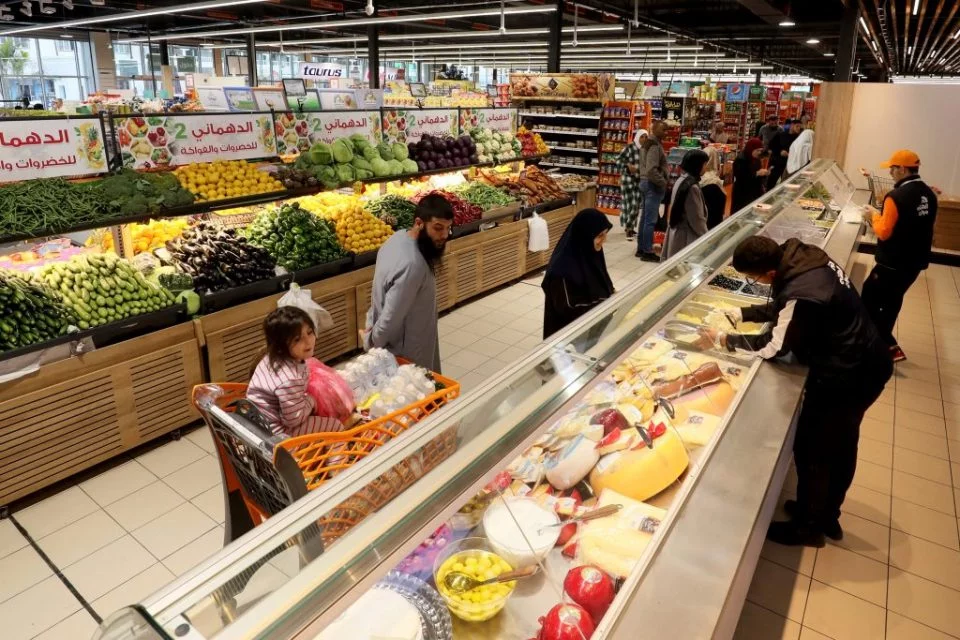
Libya Private Sector: SMEs Driving Recovery
Libya Private Sector and the Road to Economic Renewal Libya private sector revival has become one of the most promising indicators of post-conflict recovery. After more than a decade of economic disruption, entrepreneurs, small businesses, and investors are slowly rebuilding the foundations of a functioning market economy. The country’s path to stability now depends as…
-
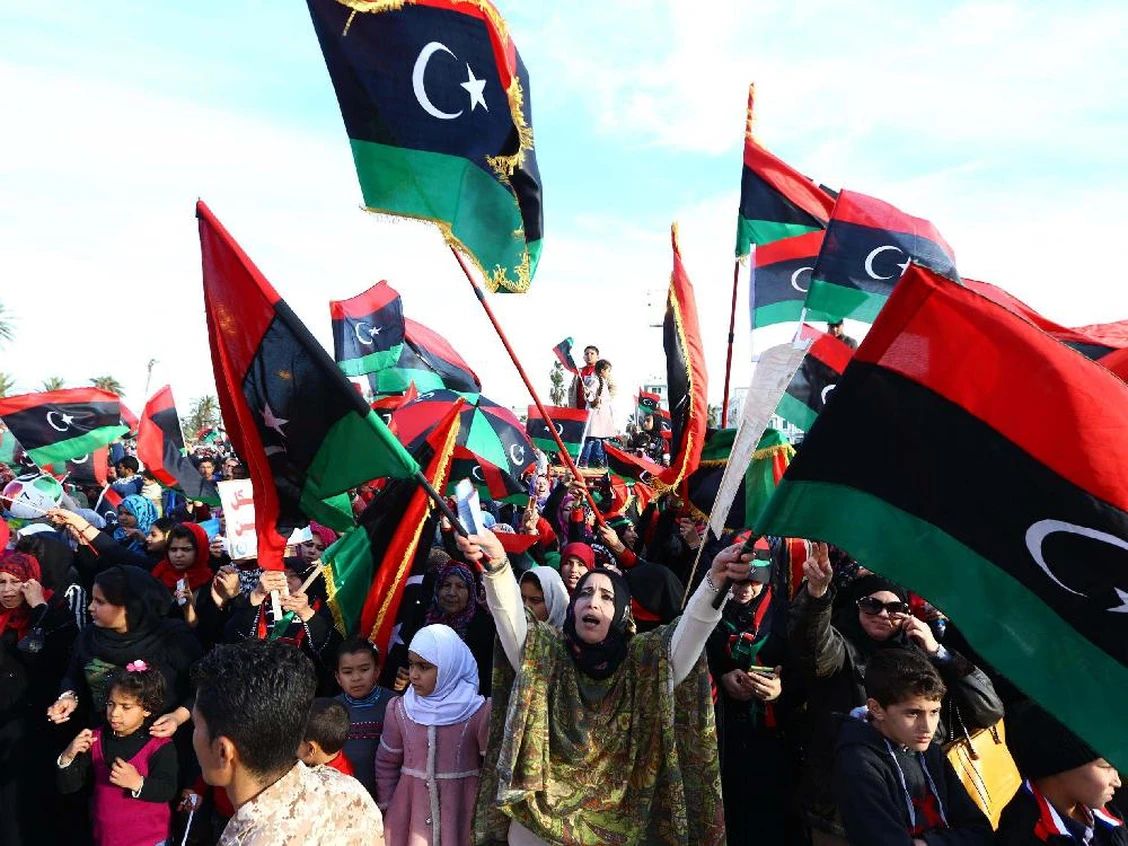
Libya Social Reform: Rebuilding Public Trust
Libya Social Reform and the Renewal of Public Trust Libya social reform is quietly reshaping how citizens relate to their state. After years of division, frustration, and economic strain, a new conversation is emerging across Libya about what the government owes its people and what citizens can expect from their institutions. Public services, transparency, and…