A Syrian Foreign Ministry delegation has visited the Syrian Embassy in Tripoli to inspect final preparations for its reopening, marking the latest step in the restoration of diplomatic relations between Libya and Syria after more than a decade of disruption. The delegation reviewed infrastructure upgrades, technical systems, and administrative preparations ahead of the embassy’s return to full operations. Syrian authorities have not yet announced an official reopening date, but officials indicate that the process has entered its final stage.
The development may appear largely administrative on the surface. However, it reflects broader political and diplomatic shifts across the Arab world. It also highlights growing efforts by both Libya and Syria to rebuild state-to-state relations after years of conflict, isolation, and institutional fragmentation.
A Relationship Shaped by Upheaval
Relations between Libya and Syria underwent a dramatic transformation following the Arab uprisings of 2011. Libya’s transitional authorities quickly recognized the Syrian opposition and became one of the first governments to withdraw recognition from Damascus. The Syrian Embassy in Tripoli closed during that period, and diplomatic ties effectively froze.
For more than a decade, both countries faced their own internal conflicts, competing political authorities, economic disruption, and security challenges. As a result, bilateral engagement remained minimal despite historical links through the Arab League and decades of diplomatic cooperation.
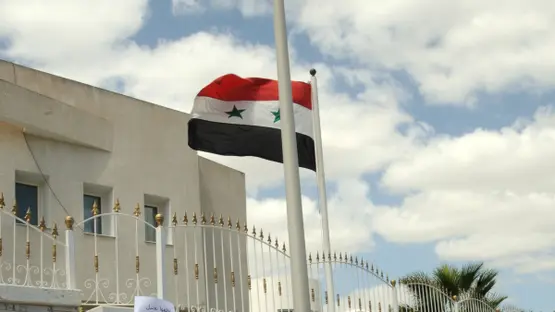
The gradual reopening of the Syrian Embassy signals that both governments now view diplomatic engagement as more valuable than continued separation. Syrian authorities first raised the national flag over the embassy building in Tripoli in August 2025, formally launching efforts to restore operations after thirteen years of closure. The current visit by Syrian officials represents the final operational phase before full diplomatic activities resume.
The move follows a broader regional trend in which Arab states have increasingly chosen engagement with Damascus over isolation. Since Syria’s diplomatic reintegration into regional politics, several countries have restored diplomatic missions, reopened embassies, or upgraded representation levels.
Consular Needs Drive Part of the Process
Practical considerations also explain the push to reopen the embassy.
Thousands of Syrians reside in Libya for work, trade, and business activities. For years, many faced difficulties obtaining passports, legalizing documents, and accessing consular services. Syrian technical teams have already conducted temporary consular missions in Libya, processing thousands of administrative requests and helping regularize the status of Syrian nationals. Syrian officials have also discussed reopening air links and expanding consular services in both Tripoli and Benghazi.
The reopening of the embassy would provide a permanent channel for these services and reduce reliance on temporary delegations.
For Libya, the restoration of diplomatic representation may also facilitate commercial exchanges and people-to-people contacts. While trade volumes between the two countries remain modest compared with larger regional partnerships, both economies are seeking opportunities for reconstruction, investment, and business expansion.
Syria’s reconstruction requirements remain enormous after years of war. Libya, despite its own political challenges, possesses financial resources, construction expertise, and private-sector networks that could play a role in future economic cooperation.
What the Reopening Says About Regional Diplomacy
The significance of the embassy extends beyond bilateral relations.
Across the Middle East and North Africa, governments increasingly prioritize stability, economic cooperation, and diplomatic engagement over ideological divisions that dominated regional politics during the past decade.
The reopening of embassies often serves as an early indicator of changing regional alignments. Diplomatic missions provide governments with channels for political dialogue, intelligence sharing, economic coordination, and crisis management. Their return usually reflects a strategic decision that communication serves national interests better than diplomatic distance.
In Libya’s case, the reopening comes at a time when Tripoli continues efforts to strengthen international partnerships and attract greater diplomatic engagement. Over the past several years, multiple foreign governments have resumed diplomatic operations in Libya after lengthy closures caused by security concerns. The return of foreign missions has become one of the indicators often cited by Libyan authorities as evidence of improving stability and institutional recovery.
For Syria, reopening diplomatic facilities abroad carries additional symbolism. Each restored embassy represents another step toward rebuilding its international diplomatic network after years of regional isolation. Syrian authorities have pursued similar efforts in several countries as part of a broader strategy to normalize diplomatic relations and re-establish state institutions overseas.
Shared Security Challenges
Security considerations may also influence the renewed diplomatic engagement.
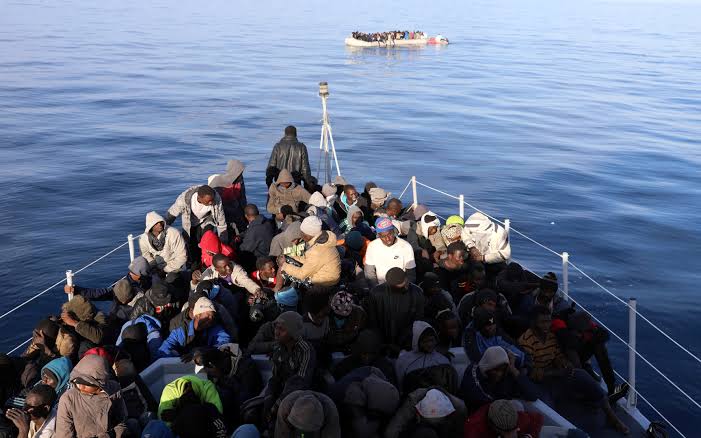
Although Libya and Syria face different political realities, both governments continue to confront challenges linked to border security, organized crime, terrorism, and irregular migration.
During the past decade, conflict networks, arms trafficking routes, and foreign fighter movements have connected several theaters across the Middle East and North Africa. Security institutions throughout the region increasingly recognize that these challenges rarely remain confined within national borders.
A functioning diplomatic presence creates opportunities for greater cooperation on consular matters, law enforcement coordination, information exchange, and the monitoring of transnational security threats.
Neither government has publicly announced new security agreements linked to the embassy reopening. Nevertheless, diplomatic normalization often creates the institutional framework necessary for broader cooperation in the future.
Economic Opportunities Remain Limited but Real
Economic relations between Libya and Syria will likely remain secondary to larger regional partnerships. However, several areas offer potential for future collaboration.
Construction and infrastructure represent one possibility. Both countries require substantial investment in housing, public services, transport networks, and urban development.
Small and medium-sized enterprises could also benefit from improved diplomatic ties. Business delegations, trade exhibitions, and investment forums often follow the restoration of embassy operations because diplomatic missions help facilitate commercial contacts.
Transport connectivity could become another area of focus. Syrian officials previously expressed interest in restoring direct air links between Damascus and Tripoli. Improved connectivity would support business travel, family visits, and commercial activity.
Despite these opportunities, significant obstacles remain. Both economies continue to face structural challenges, including regulatory uncertainty, institutional fragmentation, and limited access to international financing. As a result, economic cooperation will likely develop gradually rather than through major breakthrough agreements.
Diplomatic Symbolism Matters
Embassies perform practical functions, but they also carry symbolic weight.
The reopening of a diplomatic mission signals recognition, communication, and political willingness to engage. In regions shaped by conflict and shifting alliances, such gestures often reveal broader strategic calculations.
For Libya and Syria, the return of diplomatic representation reflects a shared desire to move beyond a period defined by conflict and diplomatic rupture. It does not imply full alignment on every issue, nor does it guarantee rapid expansion of political or economic ties.
However, it does indicate that both governments now see value in maintaining direct diplomatic channels and rebuilding institutional relationships that disappeared during one of the most turbulent periods in modern Arab politics.
Analytical Outlook
The reopening of the Syrian Embassy in Tripoli represents more than the restoration of a diplomatic building. It reflects a wider regional shift toward engagement, normalization, and pragmatic diplomacy.
For Syria, the move strengthens efforts to rebuild its diplomatic network and reconnect with regional partners. For Libya, it adds another foreign mission to a growing list of embassies resuming operations in the country after years of instability.
The immediate impact will likely remain limited to consular services and diplomatic coordination. Yet the broader significance lies in what the reopening represents: the gradual reconstruction of state-to-state relations across a region that spent much of the past decade defined by conflict, fragmentation, and political isolation.
Whether this diplomatic step evolves into deeper political, economic, or security cooperation will depend on developments in both countries. For now, the embassy’s return stands as another sign that regional diplomacy continues to move toward engagement rather than separation.