
Author: LSB Team
-
Libya Foreign Investment Return and Risk Reassessment
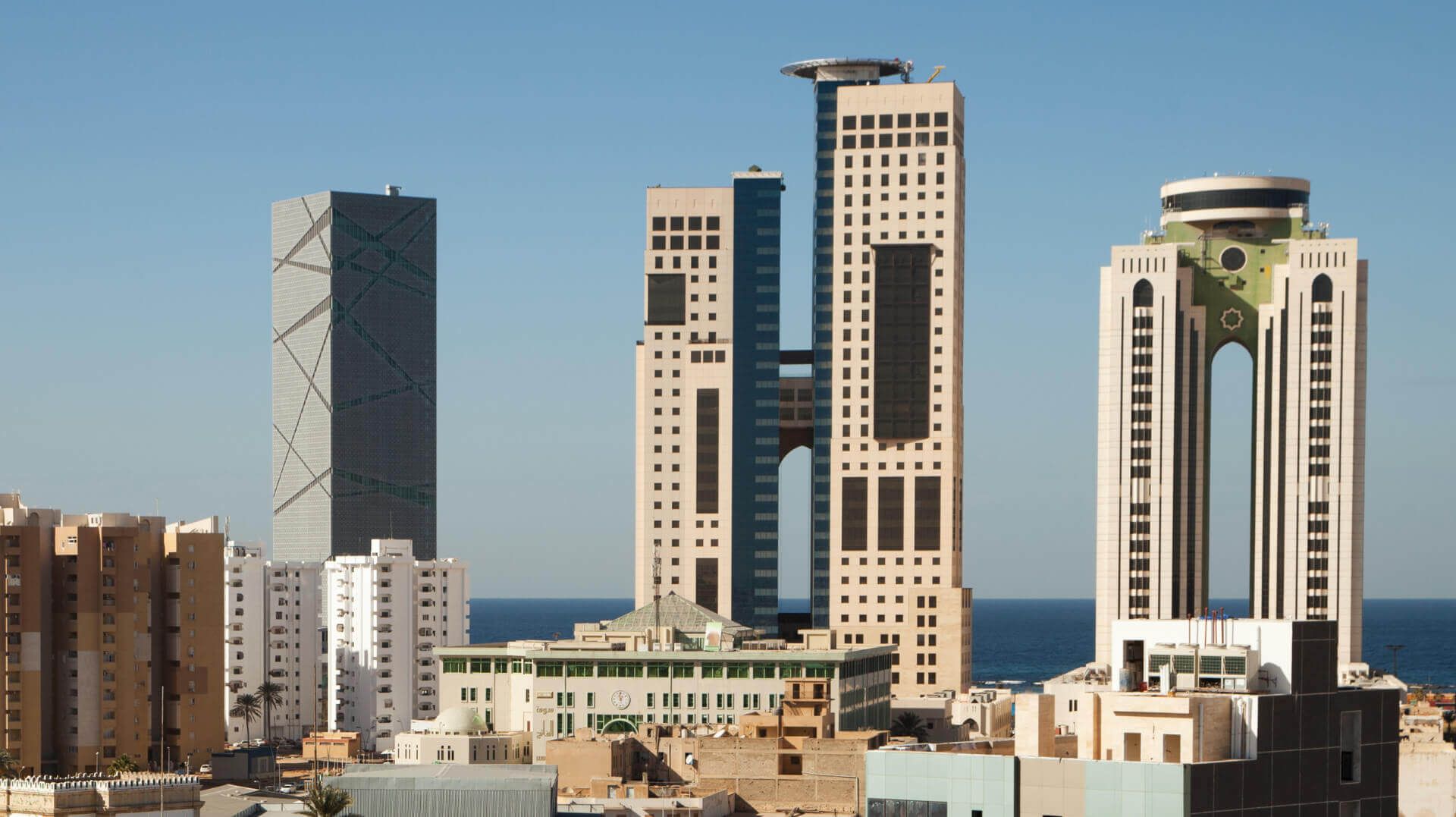
A New Phase for Libya Foreign Investment Return Libya foreign investment return has become one of the most closely watched indicators of the country’s economic trajectory as 2025 unfolds. After years of uncertainty, international capital is cautiously re-engaging, guided less by optimism and more by disciplined risk assessment. Rather than chasing rapid expansion, investors are…
-
Libya Italy Relations: How Pragmatic Cooperation Is Shaping 2025
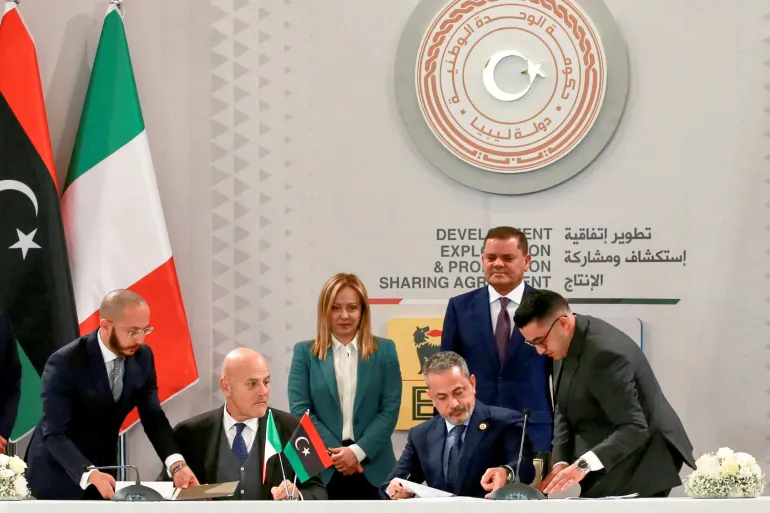
Libya Italy Relations in 2025: From Volatility to Pragmatic Cooperation Libya Italy relations in 2025 have entered a more pragmatic and results-driven phase as both countries adjust to shifting realities across the Mediterranean. Cooperation is now defined by steady engagement on energy security, migration management, and institutional coordination, reflecting a shared understanding that stability and…
-
Libya Oil Sector Stability: Why Reliability Matters More Than Output
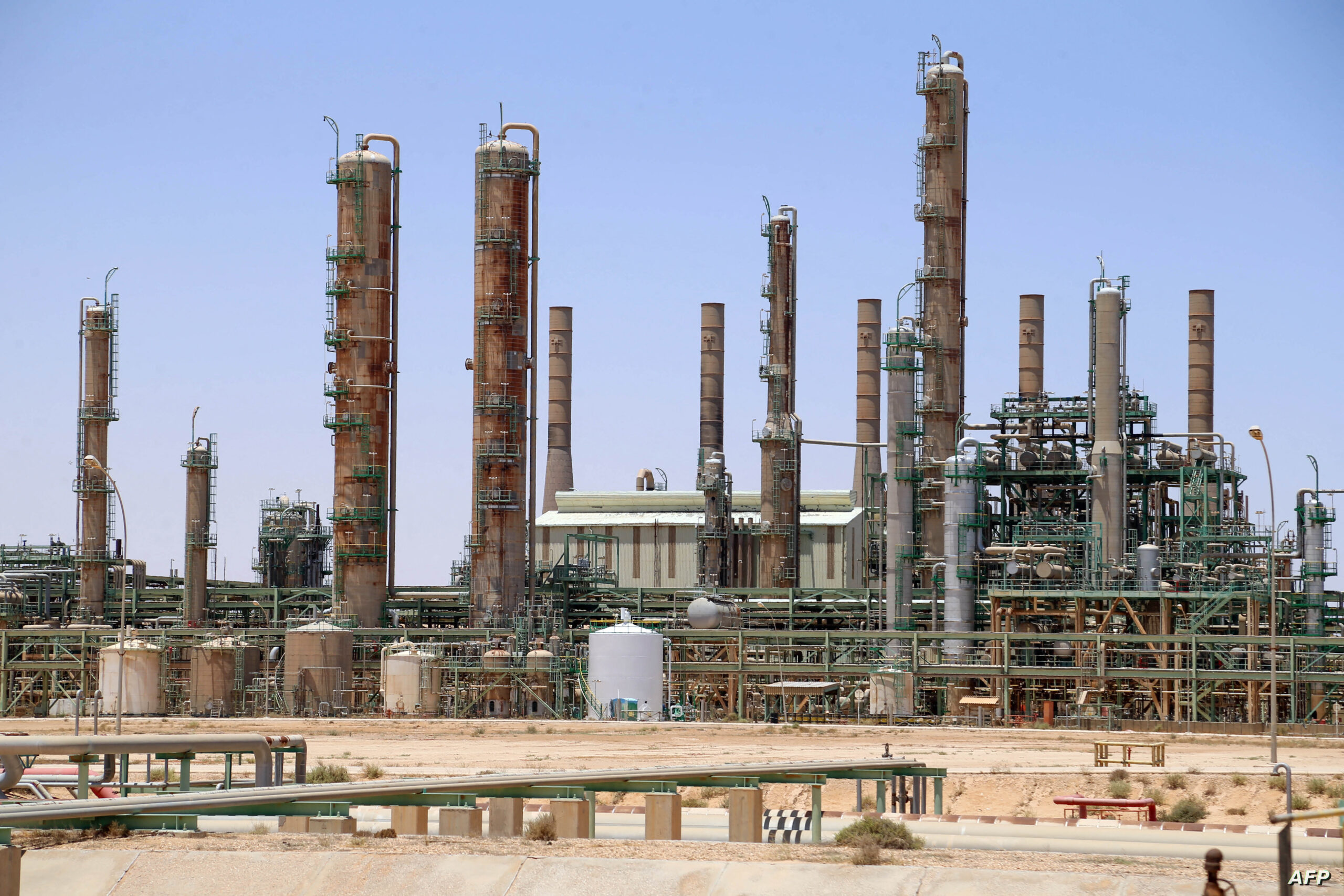
Libya Oil Sector Stability Enters a New Phase Libya oil sector stability has become the central priority for policymakers, investors, and international partners as the country enters 2026. While production volumes often dominate headlines, Libya’s long-term recovery now depends less on how much oil is produced and more on whether production can remain reliable, predictable,…
-
Libya Renewable Energy Pivot Gains Momentum
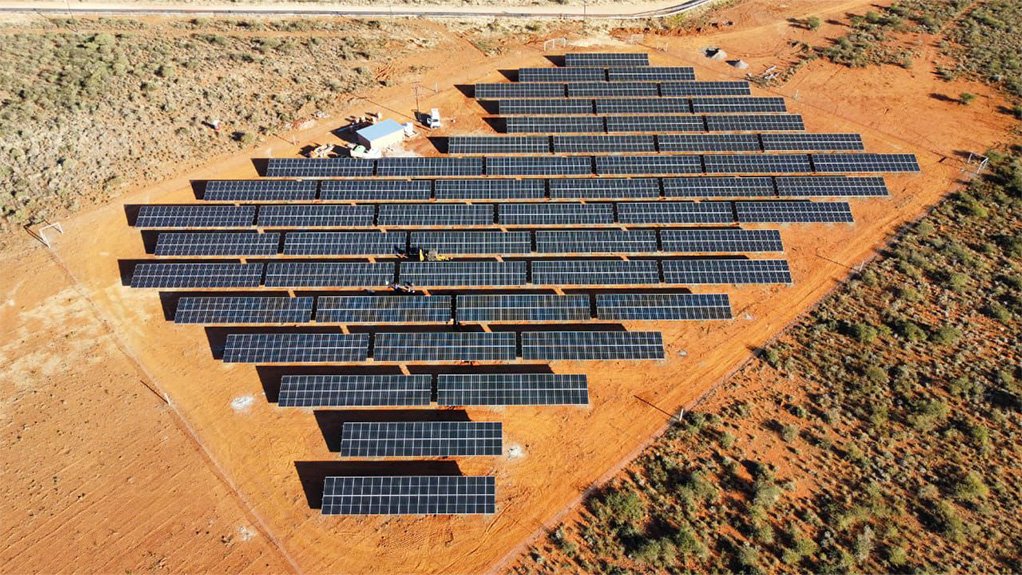
Libya Eyes the Sun to Power Its Future Libya is taking its first serious steps toward a renewable energy future. After years of relying almost entirely on oil and gas, policymakers, investors, and international partners are turning renewed attention to solar power as a pathway to economic diversification. This shift has accelerated in late 2025,…
-
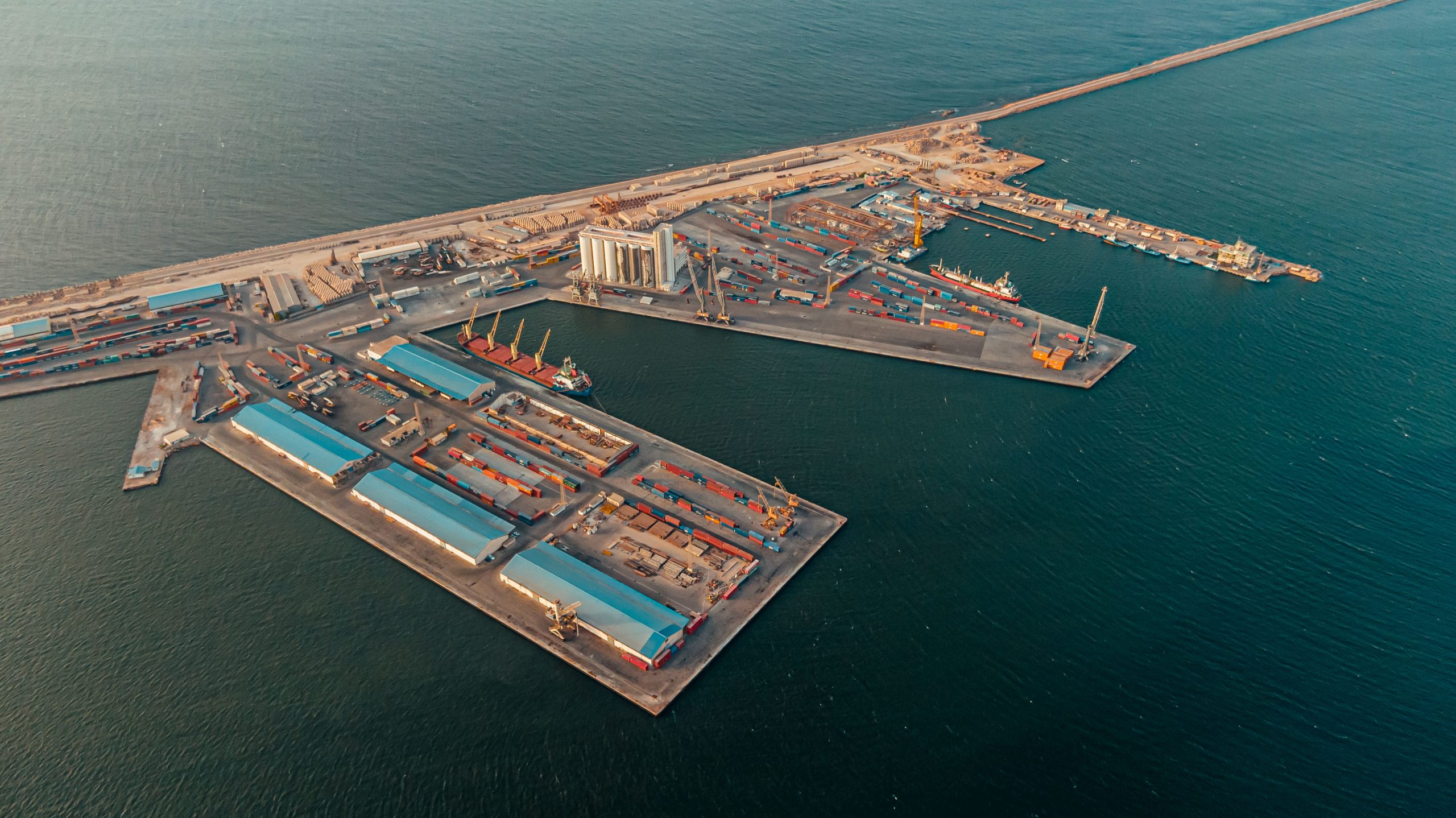
Libya’s Port Modernization Boosts Trade
Ports at the Center of Libya’s Security and Economic Revival Libya’s port modernization is accelerating in late 2025, turning maritime infrastructure into a vital asset for trade and security. After a decade of volatility, ports such as Misrata, Benghazi, and Tobruk are becoming more reliable, more efficient, and more connected to European partners. This shift…
-
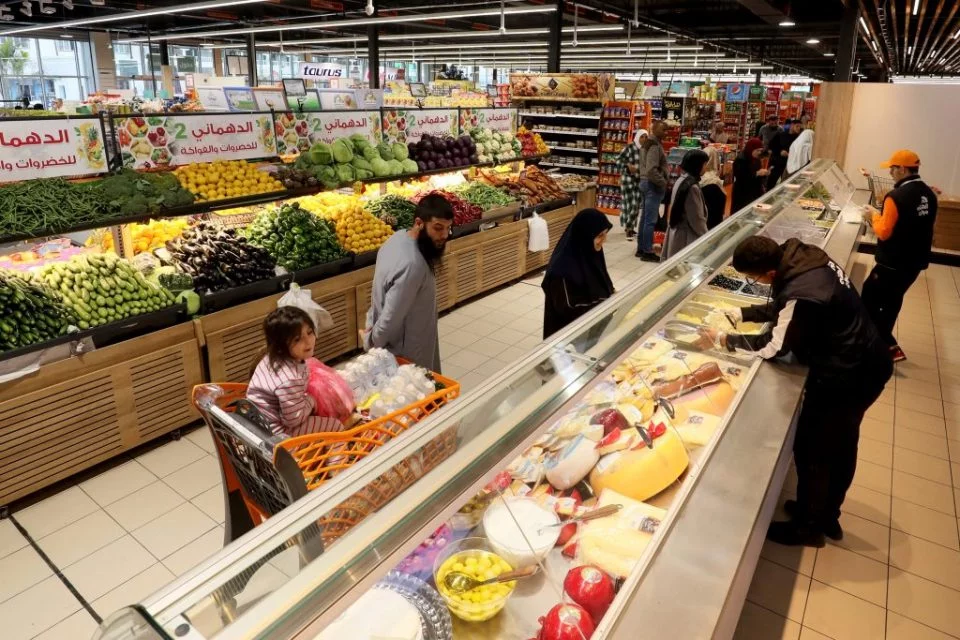
Libya Private Sector: SMEs Driving Recovery
Libya Private Sector and the Road to Economic Renewal Libya private sector revival has become one of the most promising indicators of post-conflict recovery. After more than a decade of economic disruption, entrepreneurs, small businesses, and investors are slowly rebuilding the foundations of a functioning market economy. The country’s path to stability now depends as…
-
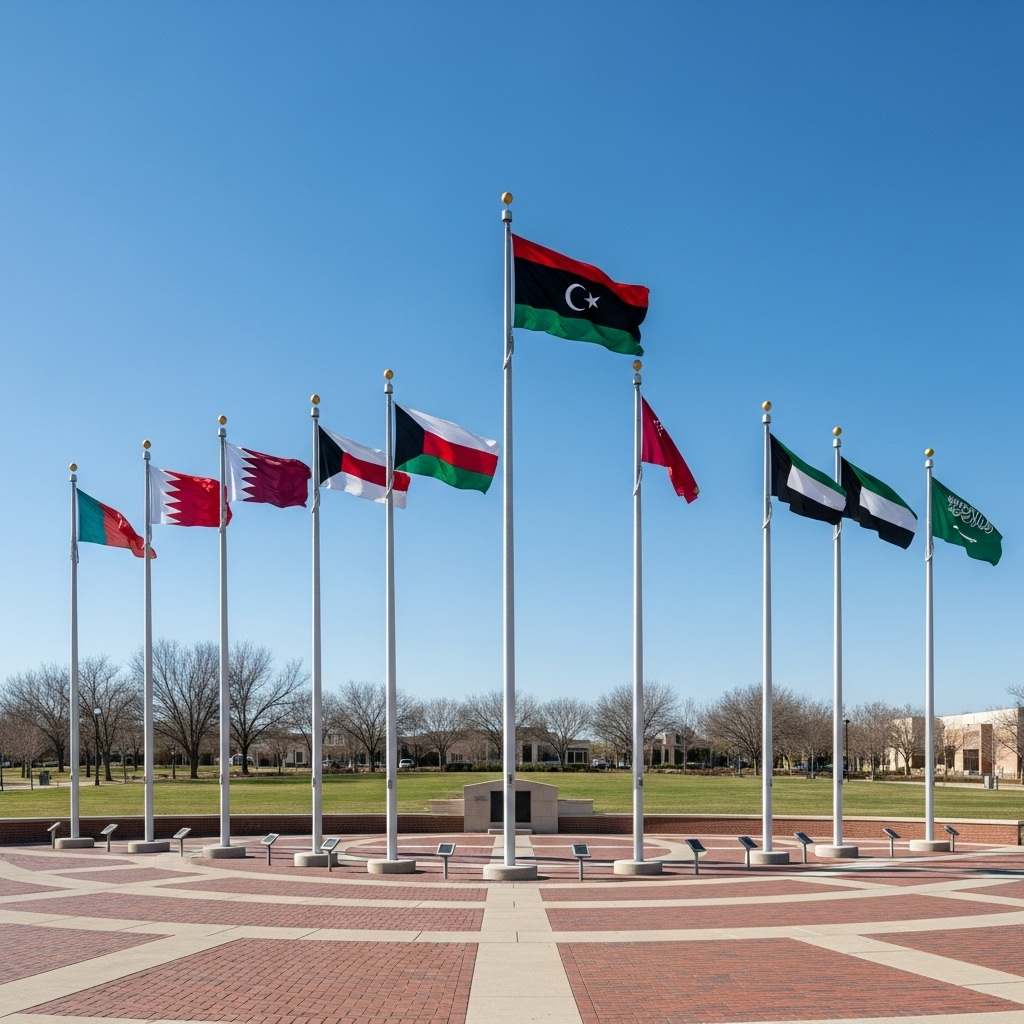
Libya Gulf Relations: A New Strategic Alignment
Libya Gulf Relations and the Return of Regional Influence Libya Gulf relations are entering a new phase that reflects both pragmatic diplomacy and shifting regional alliances. Gulf states are recalibrating their engagement with Libya, moving from competition to cooperation. The United Arab Emirates, Qatar, and Saudi Arabia are expanding investments while toning down ideological rivalry.…
-
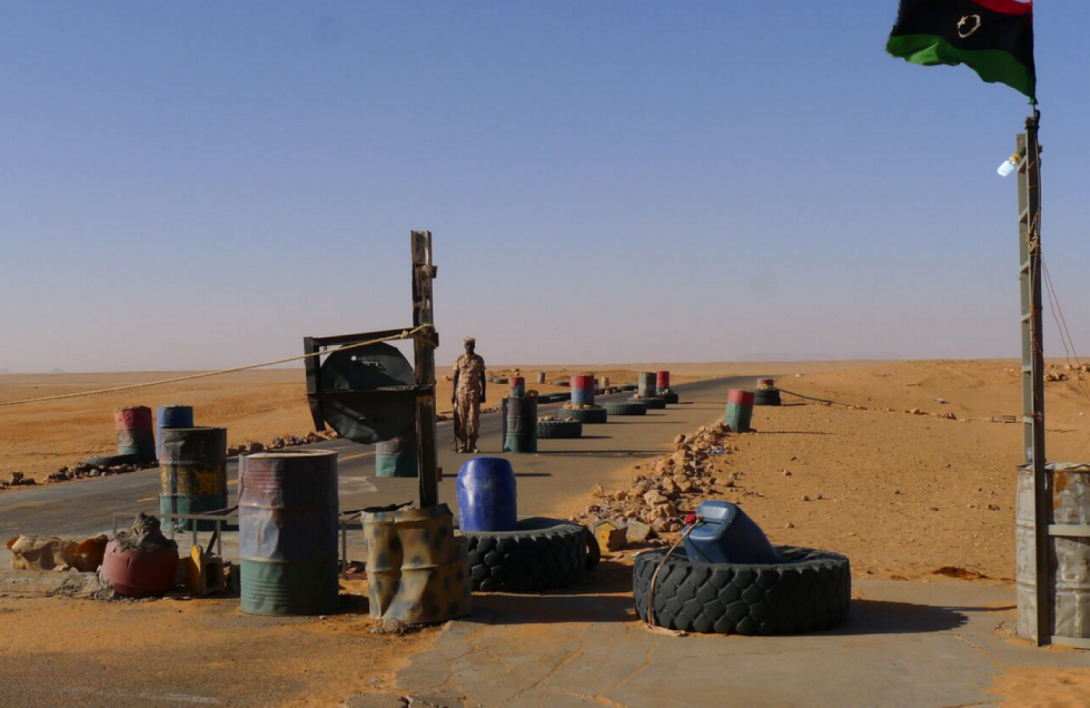
Libya Sahel Security: Securing the Southern Frontier
Libya Sahel Security and the Battle for Regional Stability Libya Sahel security has become a defining test of the country’s capacity to protect its borders, support regional stability, and rebuild trust with international partners. The collapse of state control in parts of the Sahel has sent ripple effects northward, challenging Libya’s fragile recovery. Yet, instead…
-
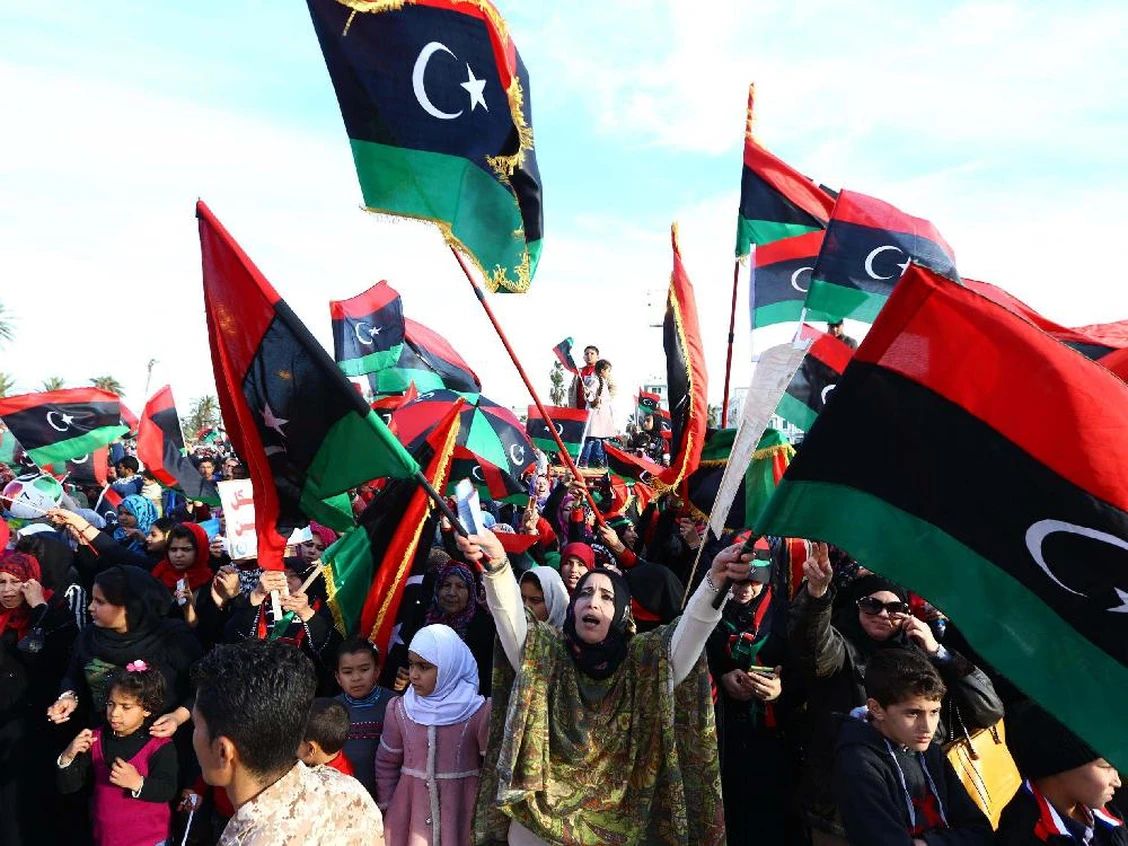
Libya Social Reform: Rebuilding Public Trust
Libya Social Reform and the Renewal of Public Trust Libya social reform is quietly reshaping how citizens relate to their state. After years of division, frustration, and economic strain, a new conversation is emerging across Libya about what the government owes its people and what citizens can expect from their institutions. Public services, transparency, and…
-
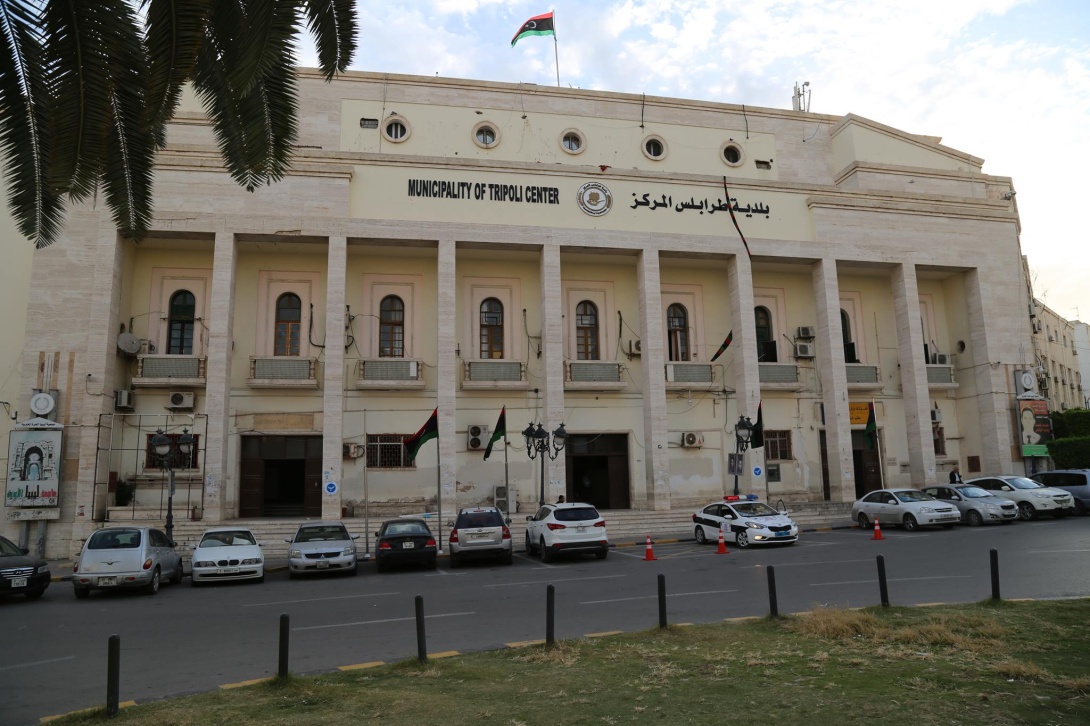
Libya Political Reform 2026: Gradual Change Ahead
Libya Political Reform and the Road to Stability Libya political reform is emerging as the country’s most credible path toward stability. For years, Libya’s politics have been defined by endurance and division, but a quieter transformation is taking place. Across municipalities, local councils, and state institutions, Libya political reform is being shaped not by grand…