Libya’s latest dispute over schools has moved beyond a disagreement over salaries and working conditions. The confrontation between the Ministry of Education and teachers’ unions now raises a broader question about how the state manages public services when government decisions meet organised labour resistance.
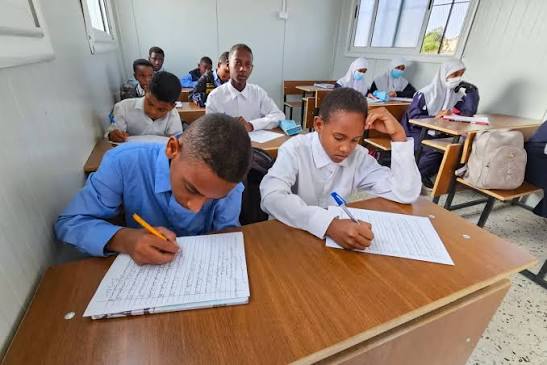
On September 27, Education Minister Mohammed Abdul-Salam Al-Gryou ordered education offices across Libya’s municipalities to reopen schools and receive students immediately. The ministry said it wants to protect students’ right to education and maintain continuity during the academic year.
The General Teachers’ Union rejected the directive. It accused the minister of ignoring teachers’ demands and said local education offices should not face pressure or confrontation with teachers. The union also said only teachers and their unions can decide whether to end the ongoing strike action.
The dispute matters for Libya’s security environment because it shows how quickly a public service dispute can become a test of institutional authority.
A Labour Dispute Becomes a Governance Test
Teachers began their protest at the start of the new academic year. Their demands include improved salaries and working conditions, settlement of outstanding financial claims, stronger legal protections and comprehensive health insurance for teachers and their families. Several municipal unions announced an open-ended strike earlier in September.
The government has already attempted dialogue. On September 15, Al-Gryou met teachers’ union representatives and discussed their demands. The ministry said the meeting produced a roadmap for addressing outstanding issues and improving stability inside schools.
Yet the dispute has continued.
That gap between dialogue and implementation creates the central problem. The government can issue an instruction to reopen schools, but it cannot guarantee normal teaching unless teachers accept the decision and return to classrooms.
The teachers’ union has since rejected a government call to suspend its sit-in, maintaining that authorities must take concrete steps on teachers’ demands before the protest ends.
This creates a familiar governance problem for Libya: formal authority exists, but practical authority depends on cooperation from institutions, employees and local actors.
The Security Risk Is Escalation, Not the Strike Alone
The immediate consequences remain concentrated in education. But prolonged disruption can create wider pressure.
Schools provide one of the most visible public services in communities. When they stop functioning, families absorb the cost through childcare pressures, lost working days and delayed education. If the dispute continues, frustration can spread beyond teachers and parents, particularly if families see no credible path toward resolution.
The confrontation also places local education offices in a difficult position. The ministry expects them to reopen schools, while the teachers’ union says local offices should not pressure teachers to end their action.
That creates the possibility of conflicting instructions at the local level. In a fragmented political environment, such institutional disputes can become harder to contain because local officials often carry the practical responsibility for implementing national decisions.
The risk does not necessarily come from the strike itself. Labour action remains a form of organised pressure. The greater concern comes if the dispute becomes prolonged, produces confrontations around schools or pushes parents and local communities into the conflict.
A Test of Libya’s Public Sector Resilience
The teachers’ dispute therefore offers a useful indicator of Libya’s wider governance environment.
The country does not face a security problem only when armed groups clash. Institutional paralysis, labour disputes and prolonged failures in basic services can also weaken public confidence and increase pressure on government institutions.
Education is particularly sensitive because the effects extend across households and generations. A prolonged interruption could increase pressure on families already dealing with economic uncertainty and uneven public services.
For the Government of National Unity, the challenge now goes beyond getting schools to open their doors. It needs to demonstrate that negotiations can produce commitments that teachers consider credible and that ministries can implement across municipalities.
For the teachers’ unions, the challenge is equally significant. Maintaining pressure can keep attention on their demands, but prolonged disruption also increases the social cost of the dispute and puts pressure on unions to show a clear path toward resolution.
The immediate question is whether schools reopen in practice, not simply on paper.
Libya’s education dispute has become another test of whether government institutions can turn formal decisions into functioning public services. How authorities and unions handle the next stage will offer a broader indication of Libya’s capacity to manage social pressure through institutions rather than confrontation.