
Author: Rami Haddad
-
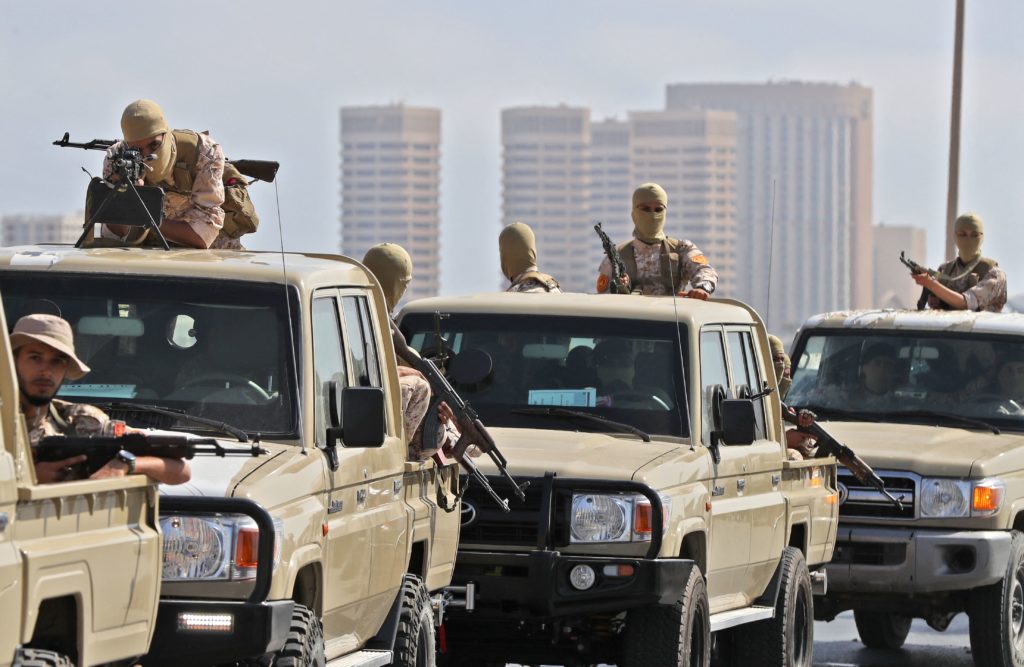
Libya Militias Explained: How Armed Groups Still Influence National Security
Libya militias remain one of the most important forces shaping the country’s security landscape. More than a decade after the fall of Muammar Gaddafi, armed groups still influence power balances, state institutions, and daily security conditions across many parts of Libya. Some militias operate at the local level. Others hold influence in major cities, border…
-
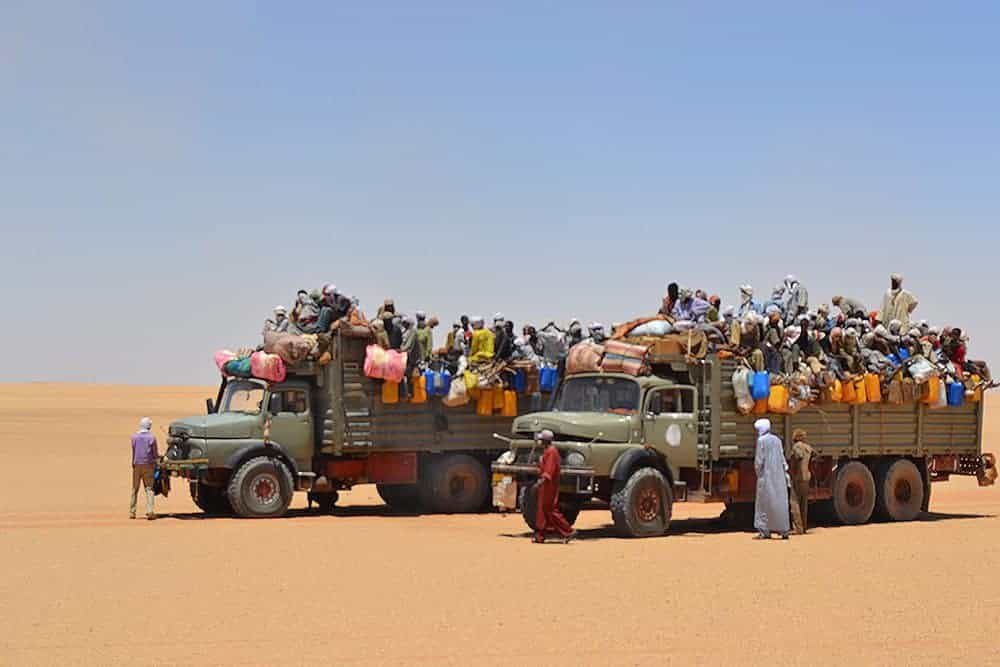
Libya and Niger Reactivate Bilateral Agreements in New Strategic Talks
Libya and Niger have taken a new step toward rebuilding structured cooperation, signaling a broader effort to stabilize shared border regions and strengthen coordination across the Sahel. A Libyan delegation led by senior officials visited Niger this week for high-level talks focused on reviving bilateral agreements and expanding cooperation channels. Meetings brought together representatives from…
-
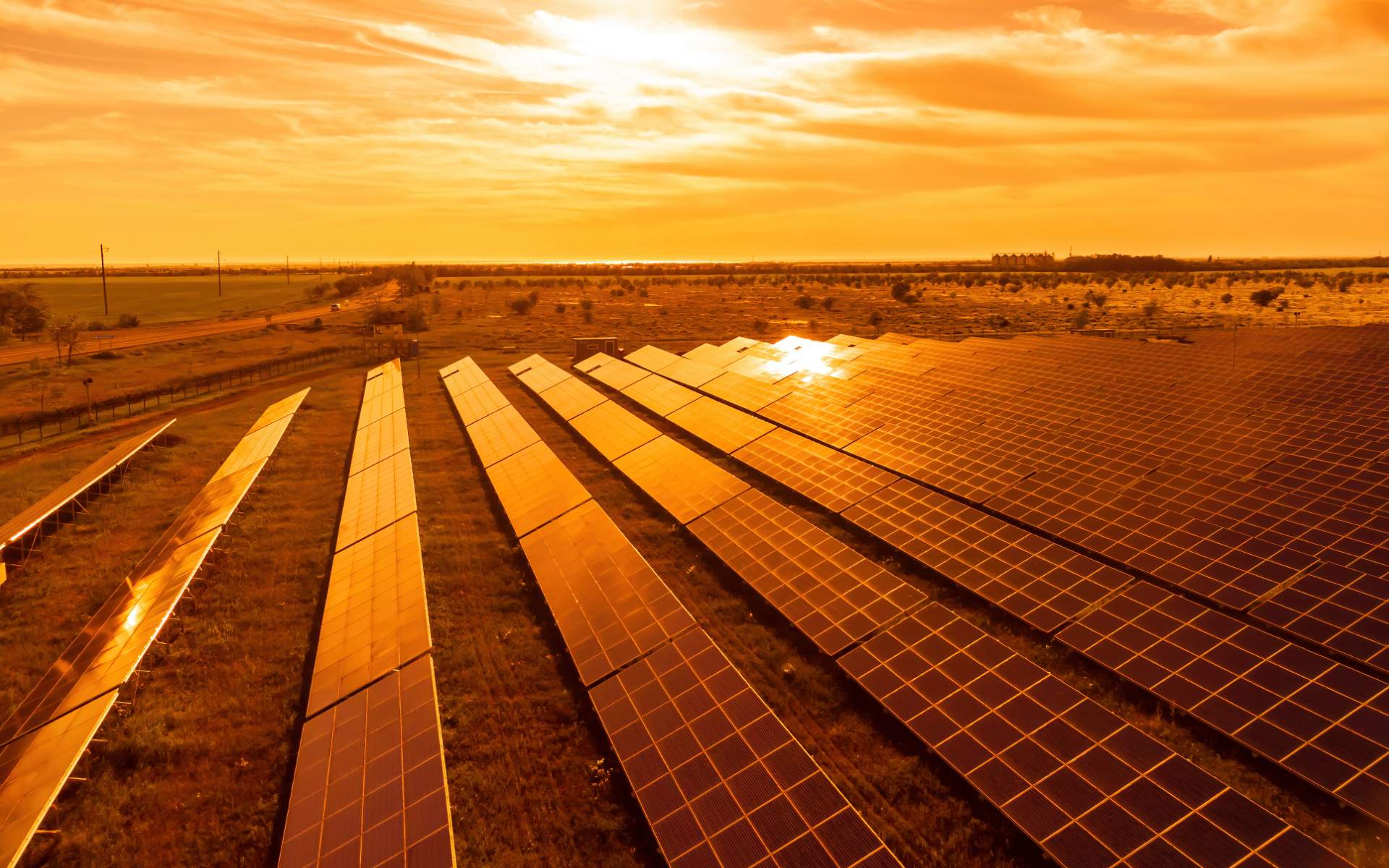
Libya Renewable Energy Transition and Energy Security in 2026
Libya Renewable Energy Transition and the Shift Toward Energy Stability Libya renewable energy transition has moved beyond symbolism and pilot experimentation and is now entering a phase where policy coherence, institutional coordination, and grid reform determine its credibility. For a country long defined by hydrocarbons, renewable energy is no longer framed as an alternative to…
-
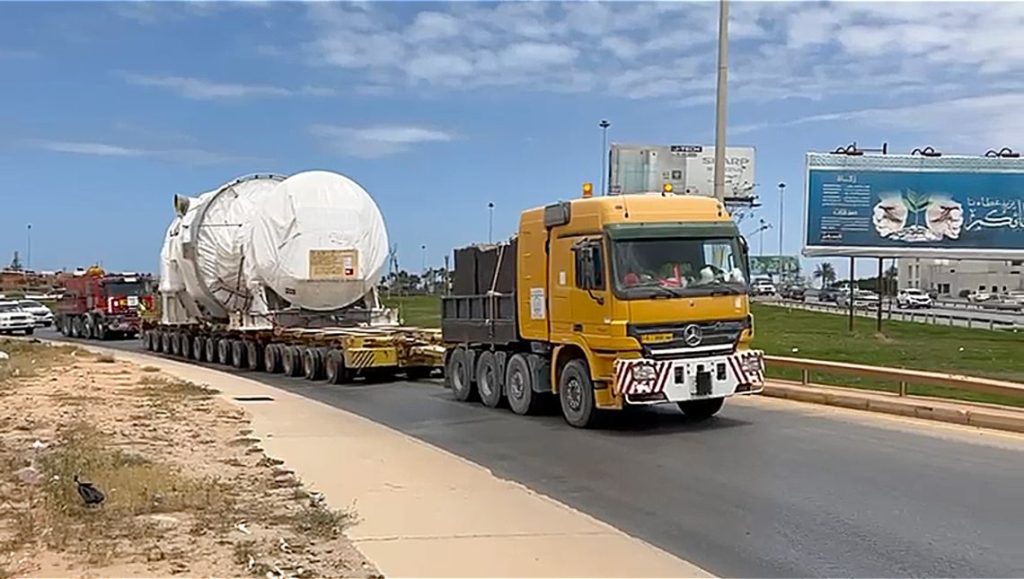
Libya Trade Corridors and Mediterranean Connectivity in 2026
Libya Trade Corridors Driving Regional Recovery Libya trade corridors are reemerging as a strategic priority in 2026 as regional actors reassess supply chains, border security, and Mediterranean connectivity. Long viewed through a security lens, Libya’s geography is increasingly being reframed as economic infrastructure. From coastal ports to southern land routes, trade corridors are no longer…
-
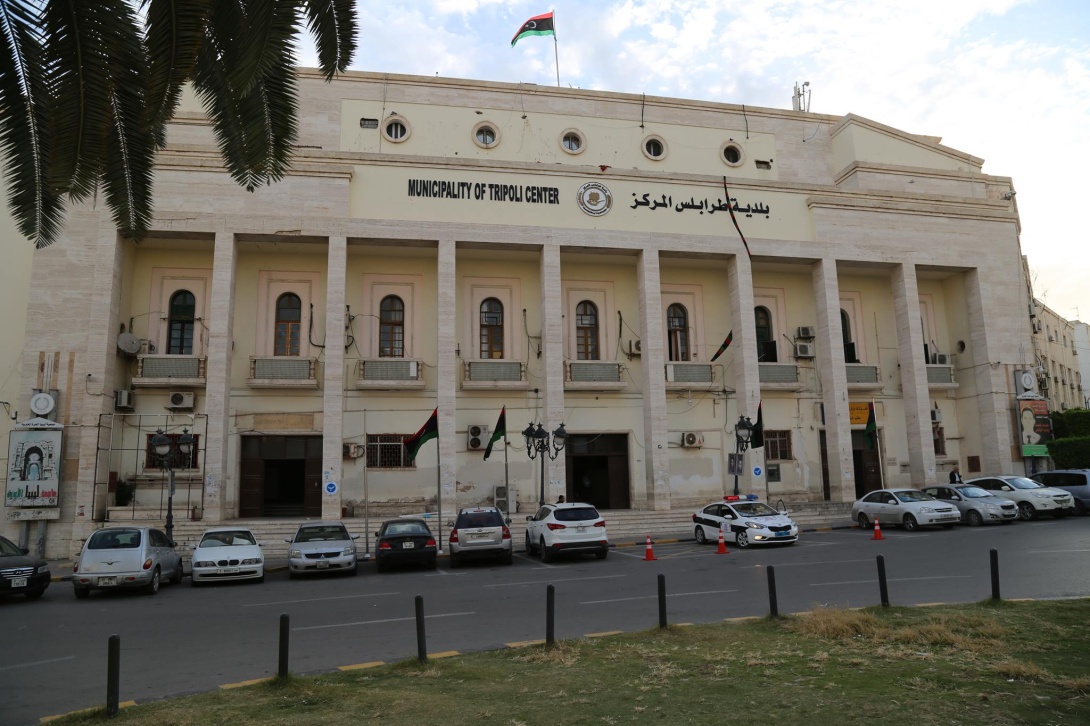
Libya Municipal Governance Reform in 2026
Libya Municipal Governance Reform and the Challenge of Local Stability Libya municipal governance reform is emerging as a central test of political stability in 2026, as local institutions face growing expectations to deliver services, manage security coordination, and absorb public frustration in the absence of a unified national government. While municipalities were designed to decentralize…
-
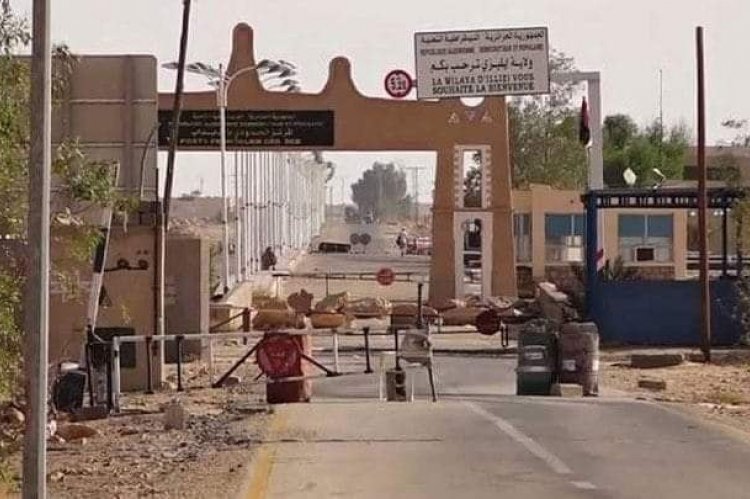
Libya Border Management Strategy and Regional Stability
The Importance of Effective Border Governance Libya border management strategy is becoming one of the defining policy challenges as the country enters 2026, shaping not only security outcomes but also trade flows, migration dynamics, and regional cooperation. For more than a decade, Libya’s borders have been treated primarily as military problems. Increasingly, they are being…
-

Libya Central Bank Reform: Can Monetary Stability Hold in 2026?
The Central Role of Monetary Governance in Libya’s Recovery Libya Central Bank reform has become one of the most consequential factors shaping the country’s economic and political outlook as Libya approaches 2026. While oil production and security developments dominate public debate, monetary governance increasingly determines whether stability can be sustained. Exchange rate management, liquidity availability,…
-
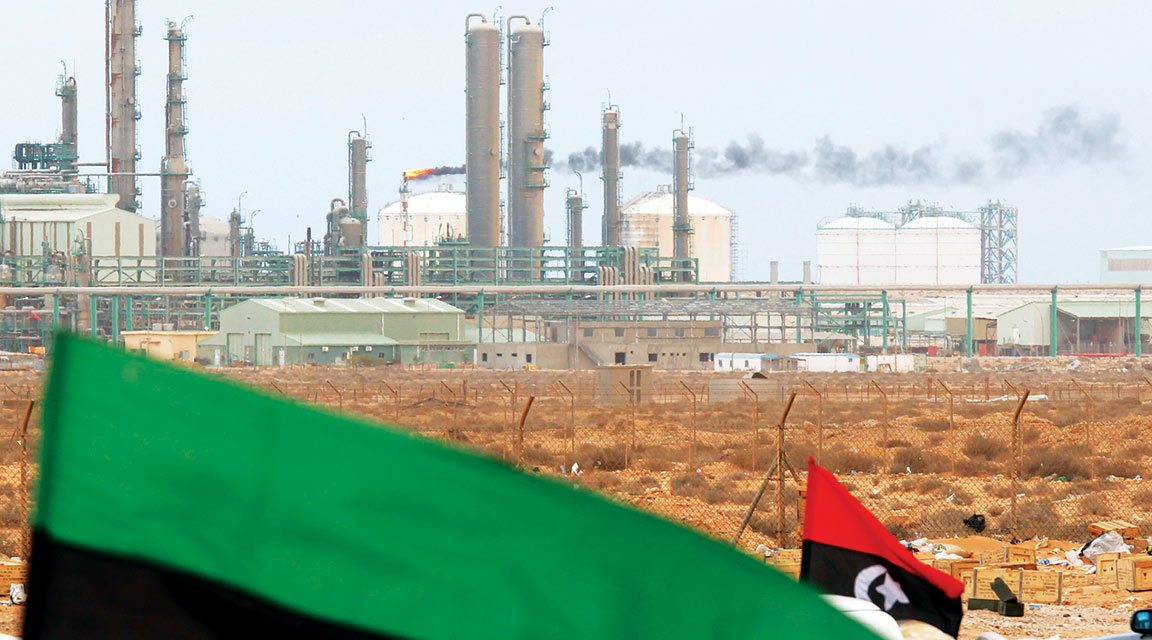
Libya’s Industrial Corridors: Anchoring Post-Conflict Growth
Libya’s Industrial Corridors: Emerging Engines of Economic Recovery Libya’s pathway to economic recovery has long been framed through energy. Oil and gas remain central to state revenue and foreign exchange. Yet a second story is emerging, one centered on manufacturing, logistics, and the rise of Libya’s industrial corridors. What began as isolated free zones and…
-
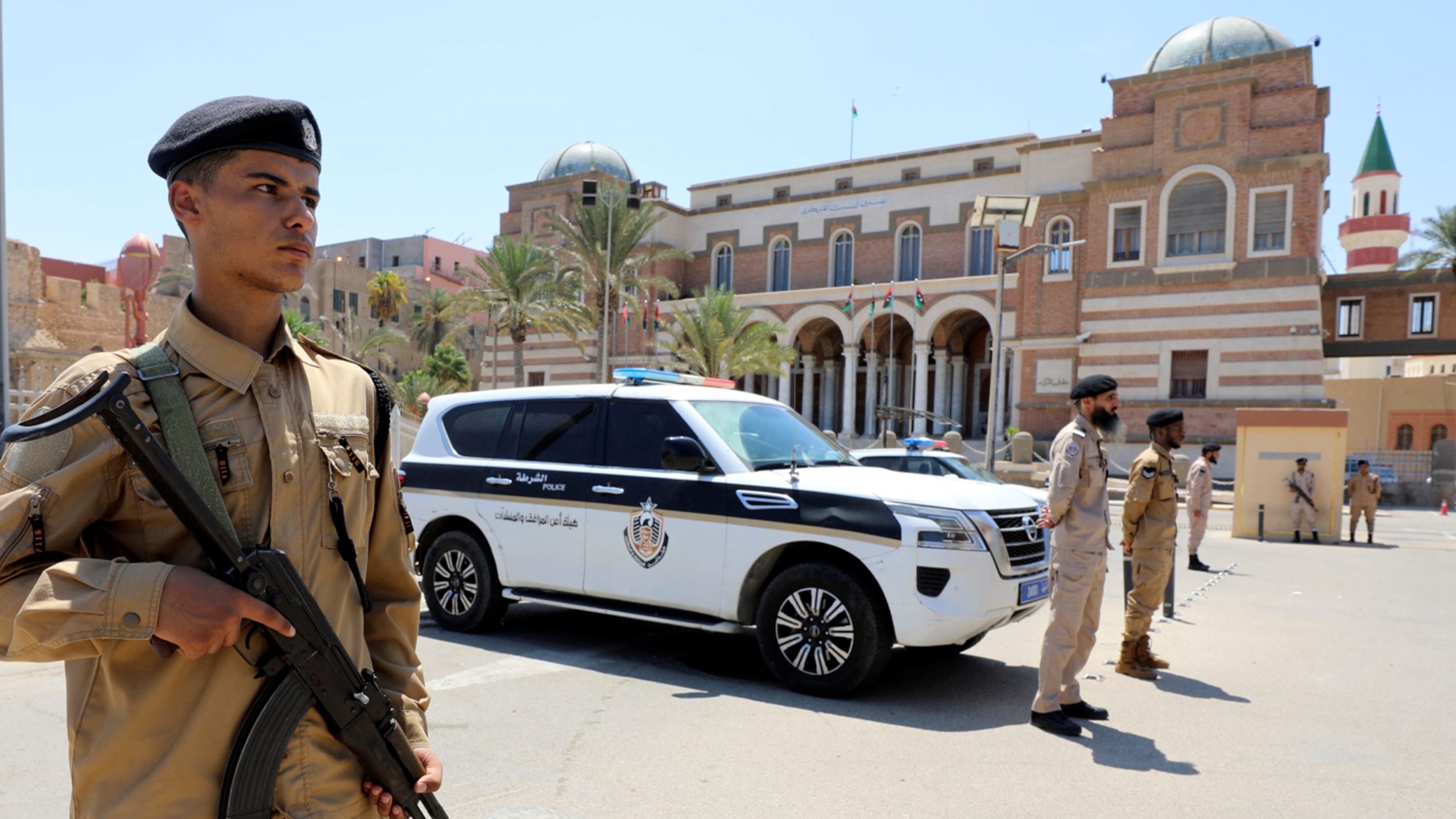
Libya Security Institutions: Fragmentation or Unity?
Libya Security Institutions Face Fragmentation Libya enters 2026 with a security landscape more stable than at any time since 2014, yet also more structurally fragmented. Forces across the country operate with predictable patterns, key cities maintain coherent security arrangements, and major infrastructure from ports to airports, functions under identifiable chains of responsibility. But beneath this…
-
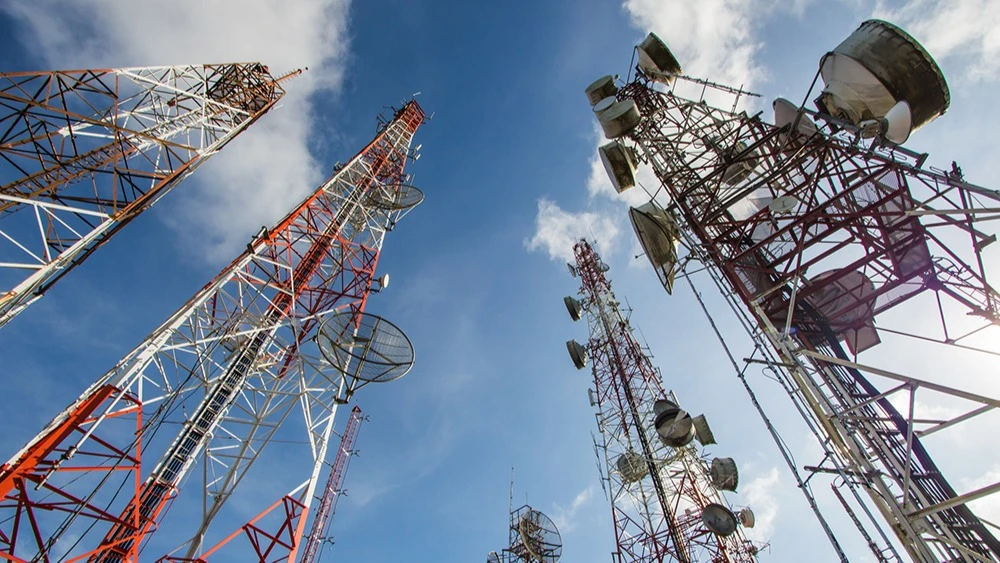
Libya Digital Infrastructure Push Accelerates
Libya Digital Infrastructure Eyes a Connected Future Libya’s digital transformation is accelerating in late 2025, reshaping everything from security operations to economic activity. After years of fragmented telecommunications networks and outdated infrastructure, recent upgrades to fiber-optic routes, data centers, and mobile connectivity are creating new opportunities. For Libya, digital modernization is no longer an optional…