
Author: Rami Haddad
-
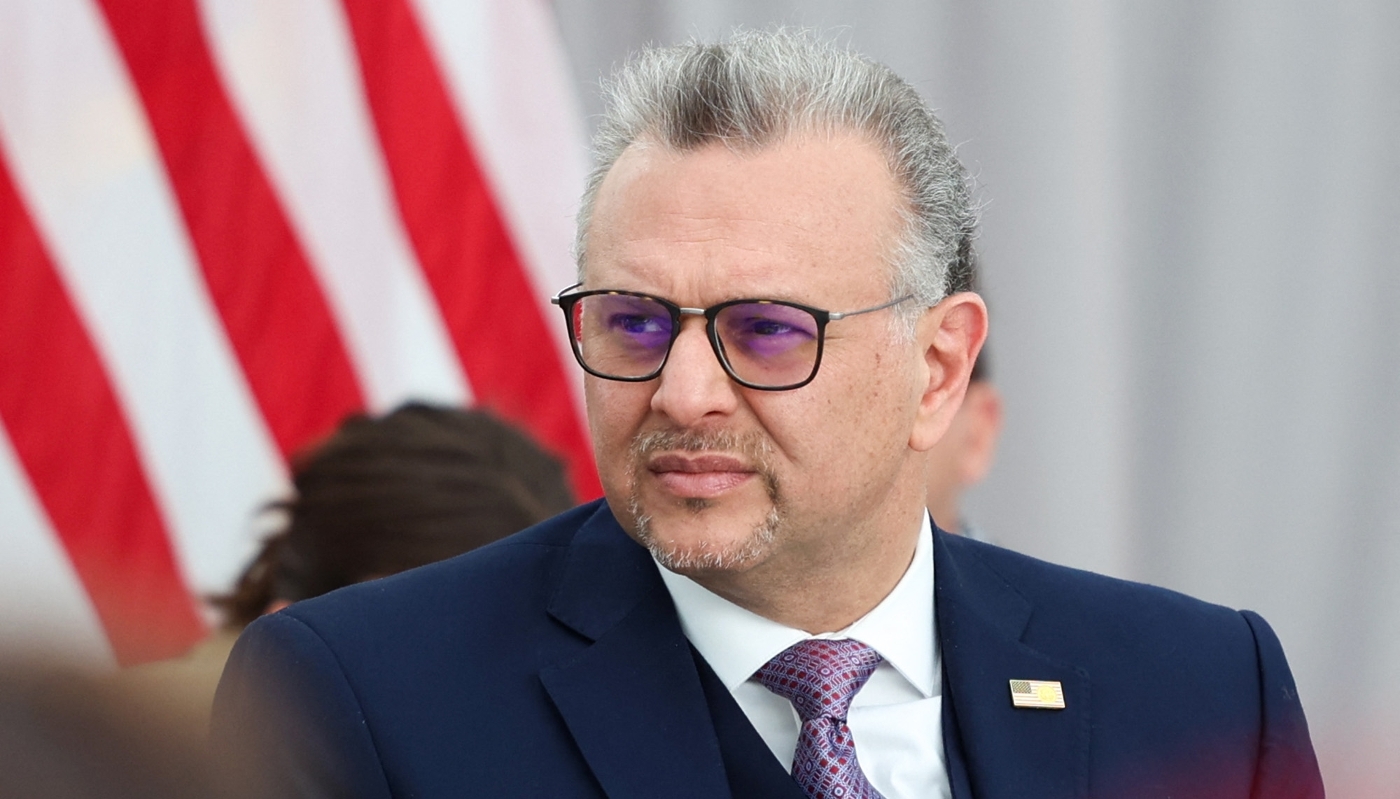
US Official Holds Eid Calls With Libyan Leaders, Reaffirms Unity Across Libya’s Competing Institutions
Introduction: Diplomatic Outreach During Eid Highlights Ongoing US Engagement in Libya A senior US official held a series of Eid calls with Libyan political and institutional leaders, reiterating calls for unity and stability across the country. The conversations took place during Eid al-Adha, a period that often carries diplomatic significance in Libya due to its…
-
From Border Security to Cybersecurity: Libya Expands Regional Security Coordination
Cybersecurity has become one of the fastest-growing security challenges across the Middle East and North Africa. Governments now face organized cyber fraud networks that operate across borders, target financial systems, exploit weak digital infrastructure, and steal millions from individuals and institutions every year. Libya’s recent participation in INTERPOL’s “Operation Ramz” reflects a broader shift in…
-
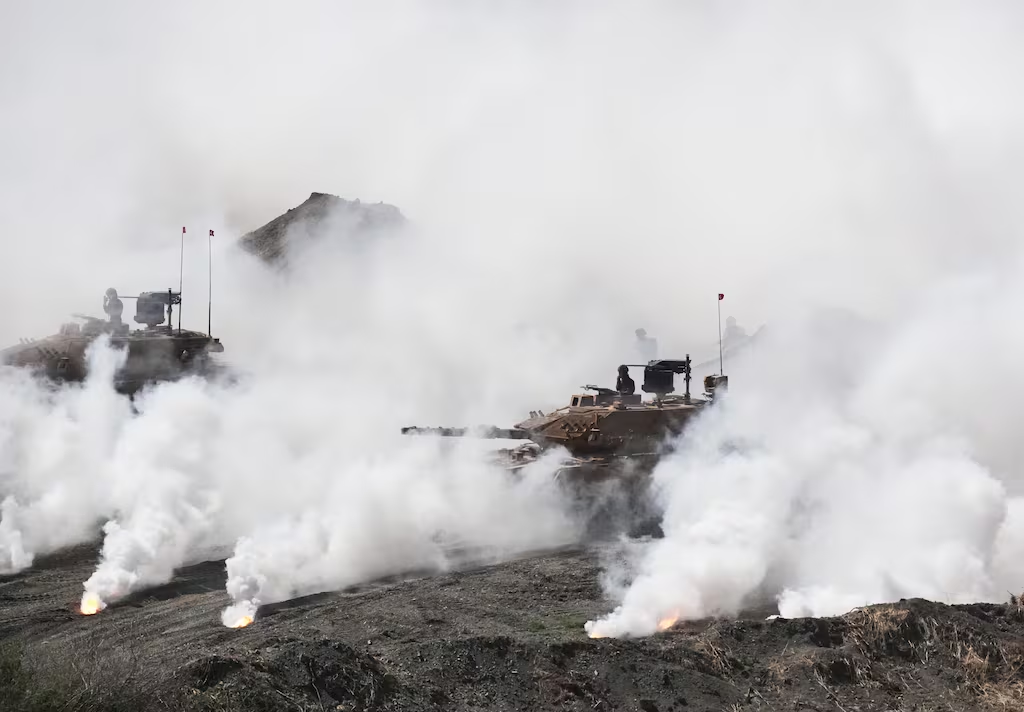
Libya’s Participation in Turkey’s EFES-2026 Drill Reflects Growing Military Coordination and Regional Engagement
Libya’s participation in Turkey’s EFES-2026 military exercise marks an important development for the country’s evolving security landscape. The exercise highlighted not only Turkey’s expanding regional defense partnerships, but also Libya’s growing efforts to improve military coordination, operational readiness, and international engagement. Held in western Turkey, EFES-2026 brought together more than 10,000 military personnel from around…
-
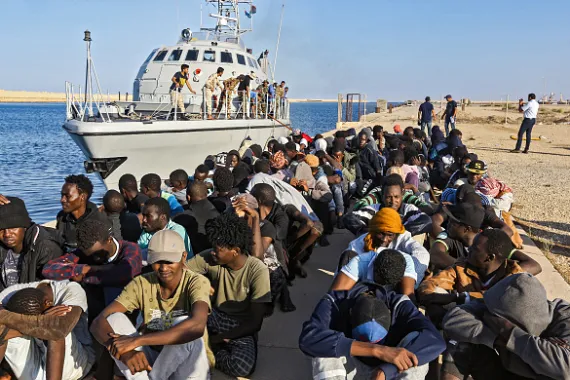
Rome Migration Meeting Shows Libya’s Growing Security Role in the Mediterranean
A new migration meeting in Rome this week highlighted how Libya has become central to Mediterranean security policy once again. Officials from Libya, Italy, Turkey, and Qatar gathered under the Quadripartite Cooperation Committee framework to discuss illegal migration, border security, smuggling networks, and operational coordination. The meeting may appear technical on the surface, but it…
-
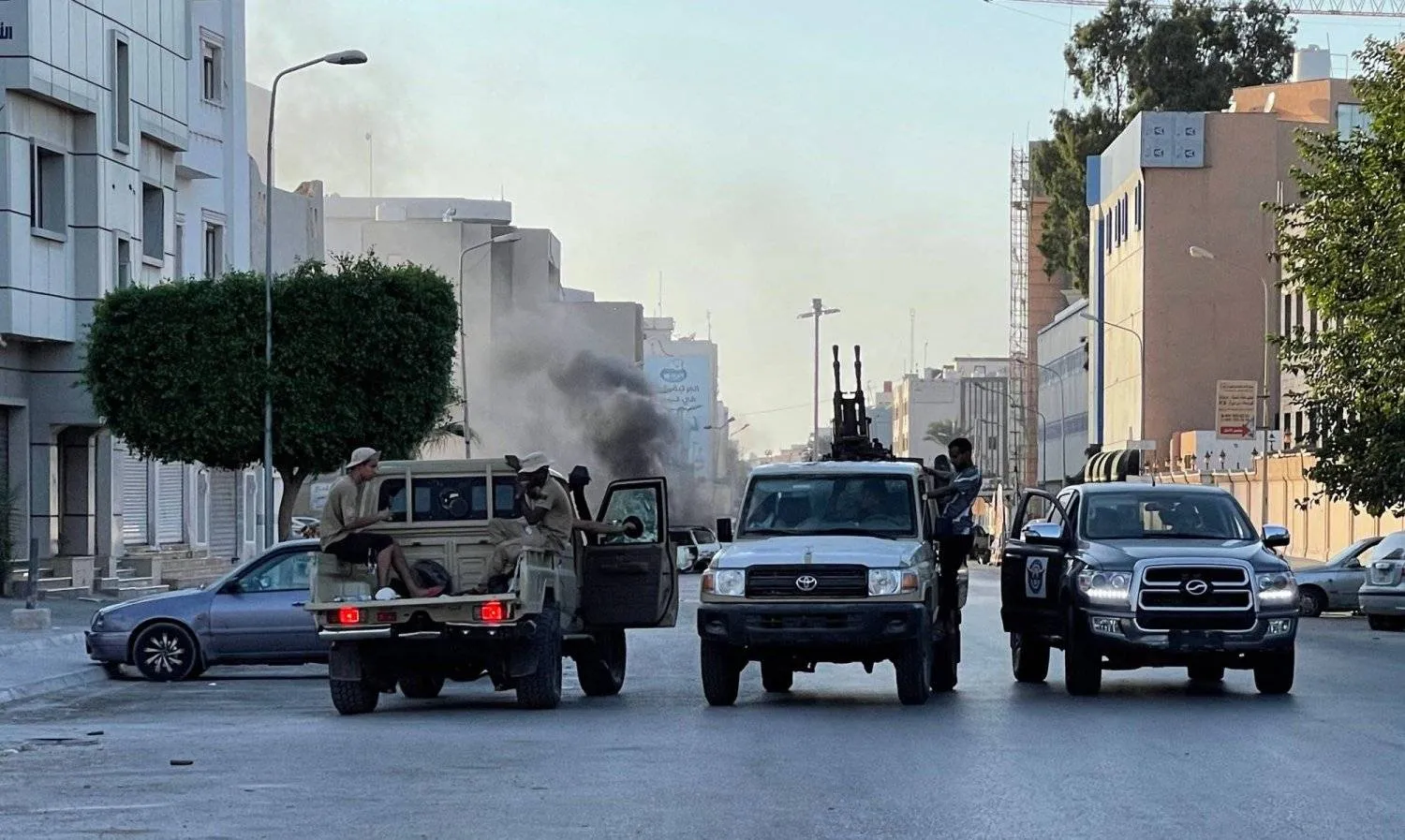
Tripoli Faces Renewed Security Pressure After Arrests Linked to Unrest
Security forces in Tripoli arrested several suspects linked to recent unrest and attacks on government facilities in the Libyan capital. The arrests followed incidents of vandalism and disturbances targeting state institutions, according to local authorities. Security units stated that they tracked individuals involved in the unrest and transferred them to judicial authorities for further legal…
-
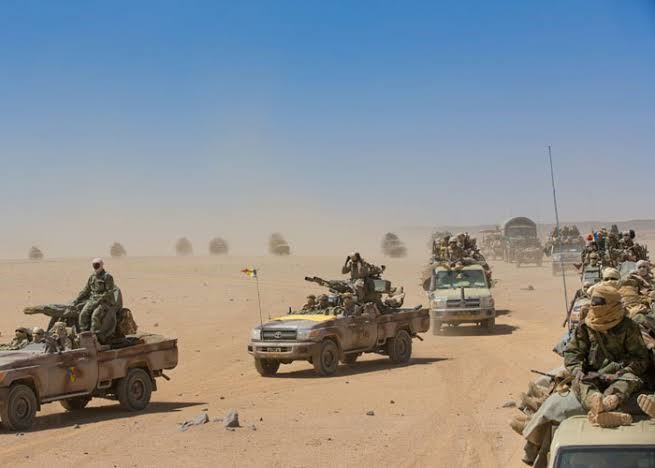
Can Libya Ever Build a Unified Military?
Libya still operates without a unified national military. More than a decade after the collapse of the Gaddafi-era armed forces, the country remains split between competing military structures, regional commands, and armed groups that operate with varying degrees of state affiliation. The concept of a single Libyan army continues to appear in political agreements and…
-
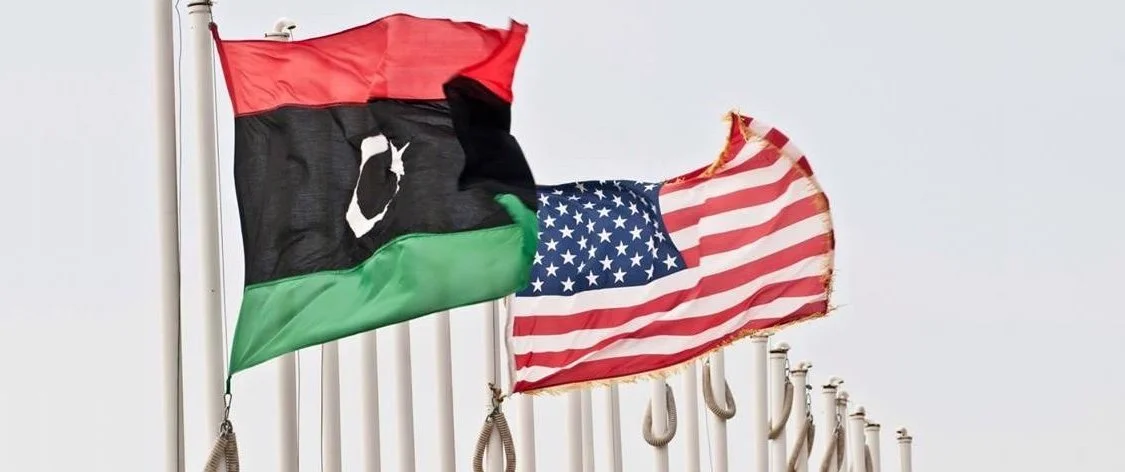
Libya and the United States Reopen a Security Dialogue as Regional Threats Grow
The United States has started to increase its security engagement in Libya again. Recent military exercises in Sirte, new diplomatic outreach across North Africa and the Sahel, and growing concern over extremist networks have pushed Libya back into Washington’s strategic calculations. The shift does not signal a large-scale American return to Libya. Instead, it reflects…
-
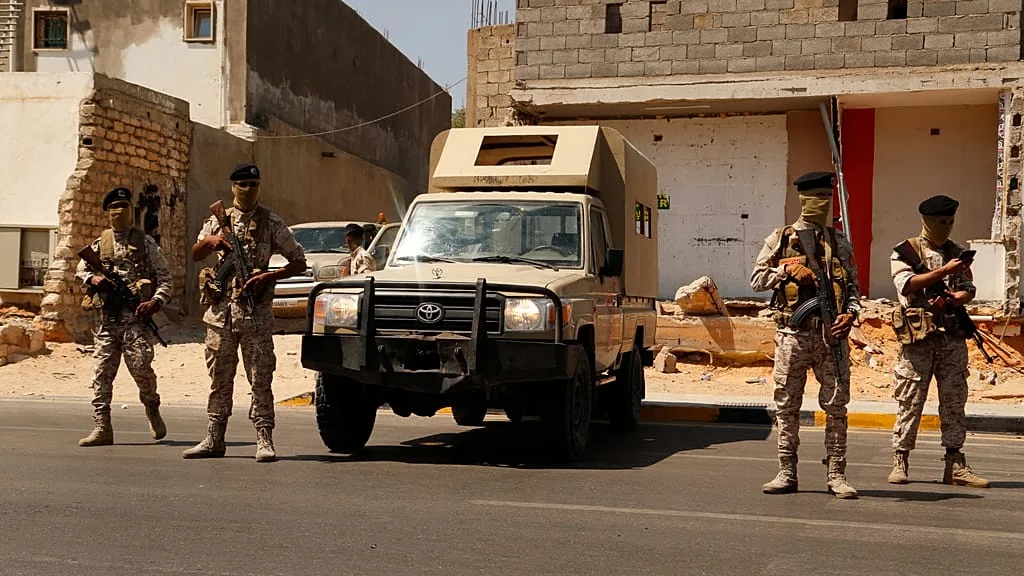
Large-Scale Security Operation in Zawiya Highlights Libya’s Ongoing Battle Against Armed Crime Networks
Libyan security forces launched a large-scale operation in the coastal city of Zawiya targeting wanted criminals and organized networks. The operation began at dawn and spread across multiple neighborhoods, with units conducting raids, arrests, and security sweeps in areas linked to armed groups and illicit activity. Authorities describe the operation as part of an ongoing…
-

Southern Libya Emerges as a Key Corridor in the Sudan Conflict
Southern Libya has moved to the center of regional security concerns as the war in Sudan reshapes cross-border dynamics. What once functioned mainly as a remote transit zone now plays a more active role in the movement of fighters, fuel, and weapons. This shift raises new questions about Libya’s internal stability and its growing connection…
-
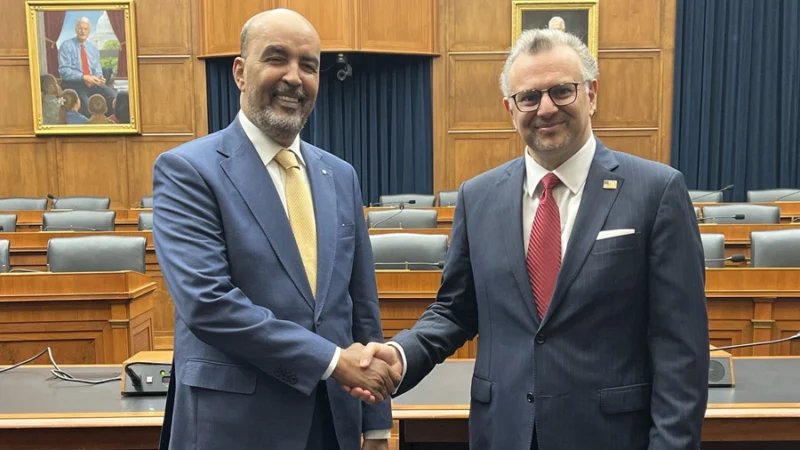
Washington Conference Signals Renewed Push for Unified Libyan Institutions and Elections
A high-level conference in Washington, D.C. on April 24, 2026 has sharpened focus on Libya’s political future. Officials from both countries called for a realistic roadmap toward elections, stronger institutional unity, and deeper security coordination. The event, hosted by the National Council on U.S.-Libya Relations, brought together policymakers, analysts, and senior Libyan figures. Participants examined…