
Author: Rami Haddad
-
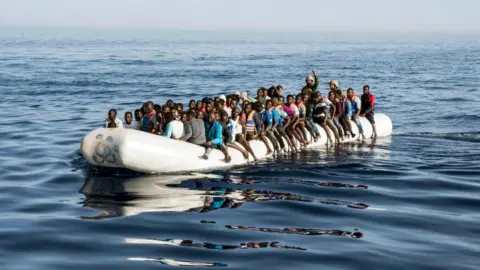
Eastern Libya Bans Entry for Citizens of Four African Countries Amid Growing Migration Pressures
Libya’s eastern-based government has announced a new ban on the entry of citizens from Sudan, Eritrea, Ethiopia, and Somalia through all land, air, and sea crossings. The measure marks one of the strongest migration control steps taken by eastern authorities in recent years and comes as Libya faces growing pressure from irregular migration flows across…
-
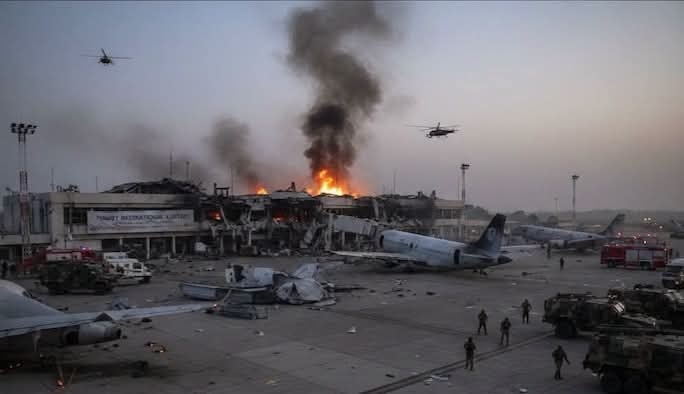
Niger Airport Attack Exposes Expanding Jihadist Threat Across the Sahel
Gunmen attacked Diori Hamani International Airport in Niger’s capital Niamey on June 18, 2026. The assault killed 11 security personnel and two civilians. Nigerien forces killed 22 attackers and arrested around 20 suspects, according to official statements. The attack marked the second major strike on the same airport this year. It also followed an earlier…
-
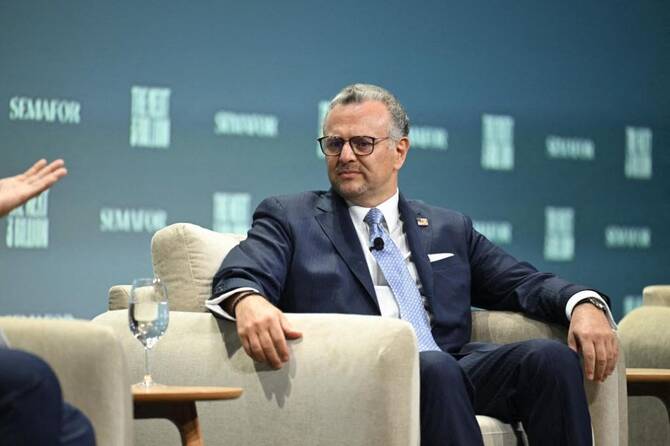
US Pushes Libya Power-Sharing Deal as Washington Targets Unified Authority and Oil Investment, FT Reports
The United States has stepped up efforts to broker a power-sharing agreement between Libya’s rival eastern and western administrations, according to adviser to US President Donald Trump Massad Boulos. The initiative aims to reunify fractured institutions and open the door for expanded US energy investment in the country. Boulos told the Financial Times that he…
-
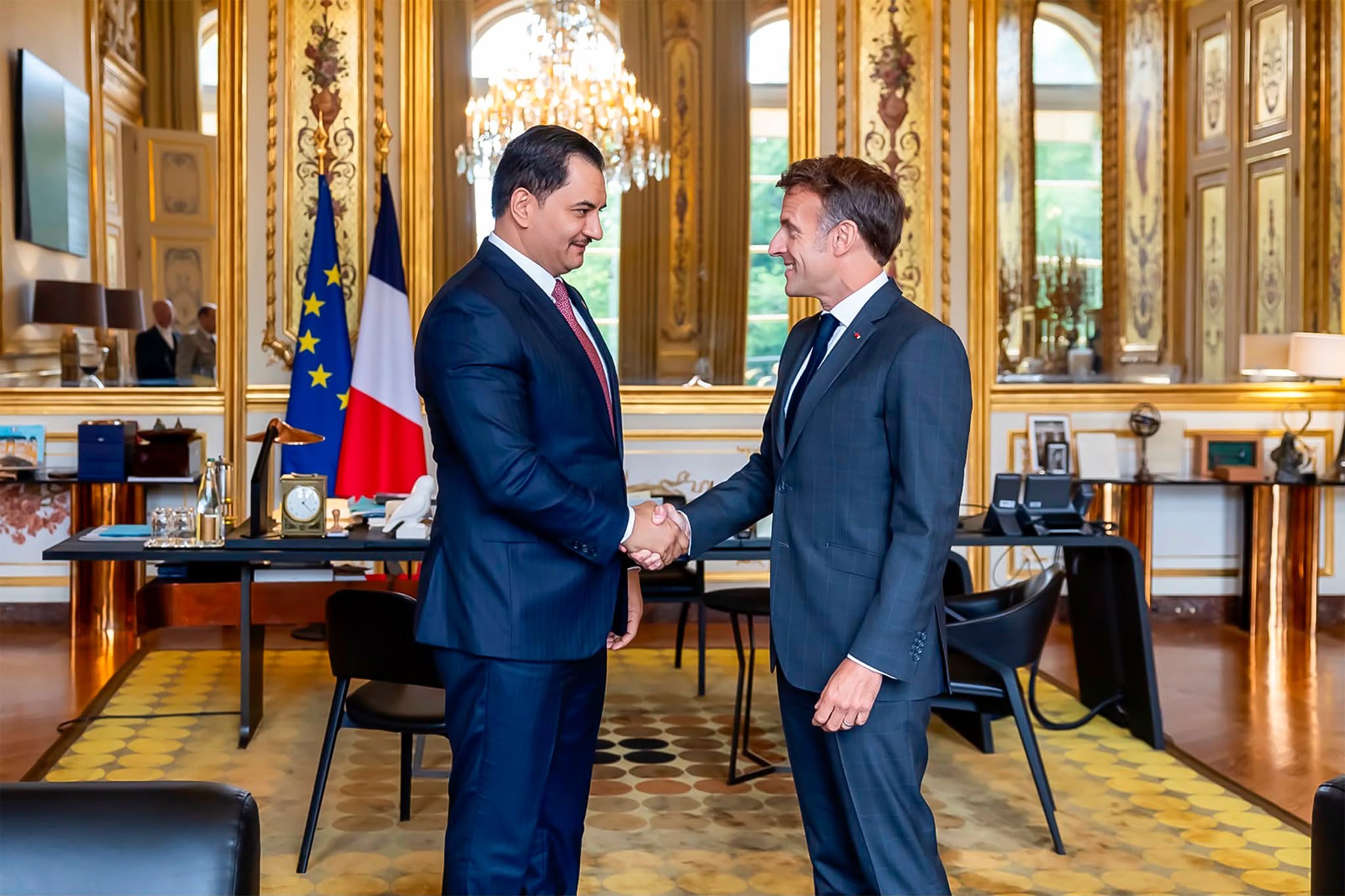
Saddam Haftar’s Paris Visit Highlights France’s Growing Security Interest in Libya
France has once again signaled its interest in Libya’s security landscape. During an official visit to Paris, Saddam Haftar, Deputy Commander-in-Chief of the Libyan Arab Armed Forces (LAAF), met senior French officials to discuss security cooperation, military training, and regional stability. The visit drew attention because it came at a time when Libya remains politically…
-
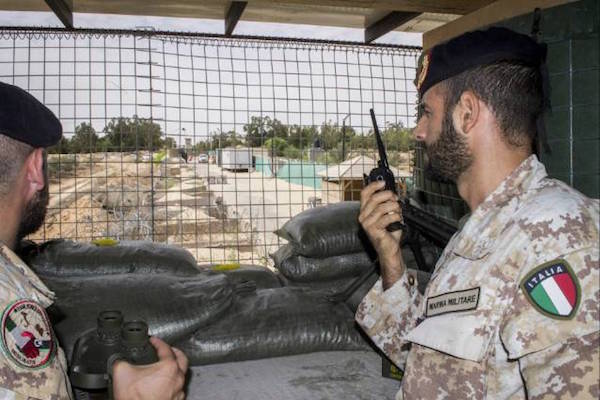
Libya and Italy Expand Defense Cooperation as Training Programs Take Center Stage in New Security Talks
Libya and Italy have moved to deepen their defense relationship as both sides explore expanded military training programs and broader security cooperation. Recent talks between Libyan Deputy Defense Minister Abdul Salam Al-Zoubi and Italian Ambassador Gianluca Alberini underline a steady push to strengthen institutional military capacity and improve coordination on regional security challenges. The meeting…
-
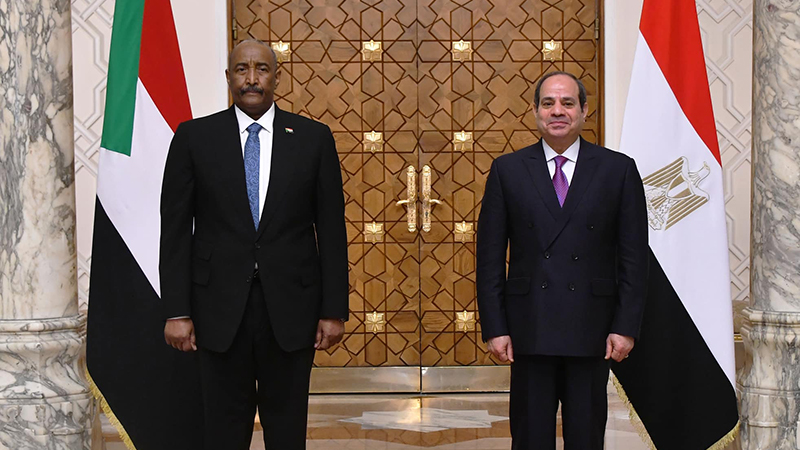
Egypt’s Return to Libya Diplomacy Signals a New Regional Balancing Effort
Recent discussions between Egyptian and American officials on Libya may appear routine, but they reflect a broader shift in regional diplomacy. After several years in which Cairo focused largely on security concerns along its western border, Egypt is once again positioning itself as a central player in Libya’s political future. The move comes as international…
-
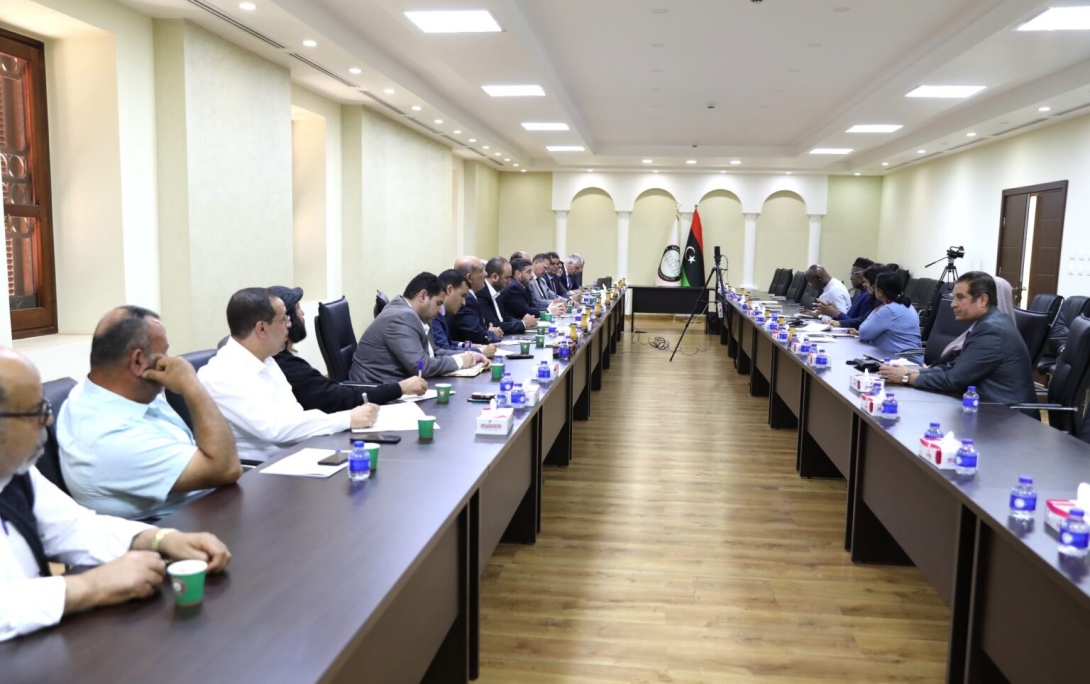
Libya’s “Central Region” Plan: Decentralization or Early Federal Drift?
Mayors from nine key Libyan cities met in Misrata this week and announced the formation of a new “Central Libya Region.” The proposal would expand Libya’s administrative structure from three regions into four, adding a central bloc that covers major coastal and inland cities. The announcement includes Misrata, Zliten, Al-Khums, Bani Walid, Tarhuna, Masallata, Qasr…
-
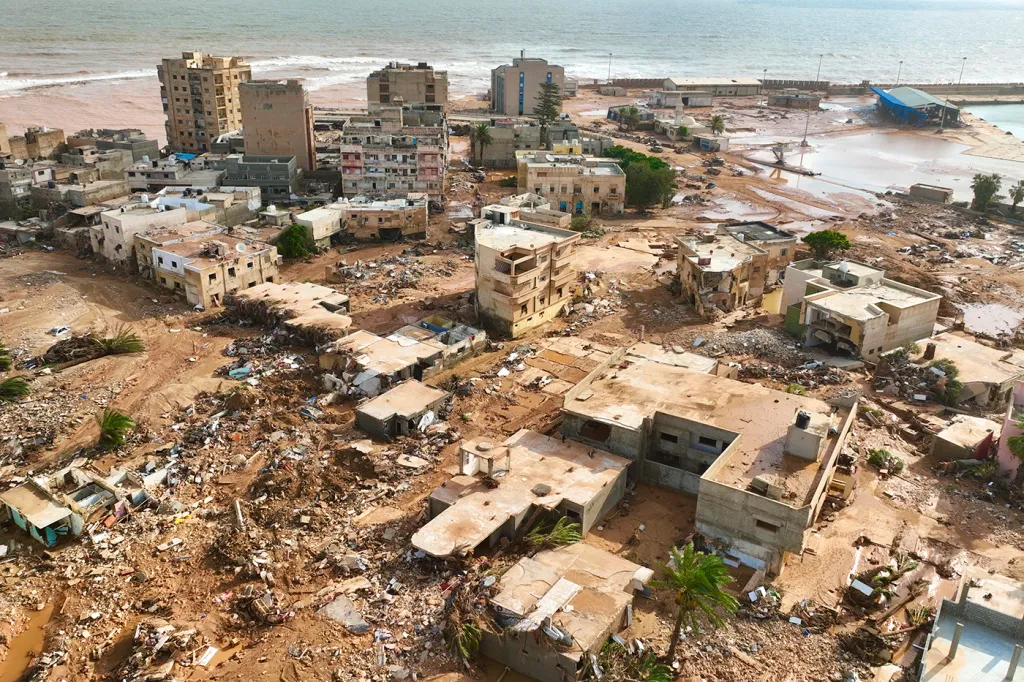
Climate Change Is Emerging as a Security Challenge for Libya
For many years, climate change sat outside traditional security discussions in Libya. Policymakers focused on political instability, economic pressures, border management, and armed groups. Yet climate-related risks increasingly affect the same areas that shape national security and state resilience. Across North Africa, governments now view climate change as more than an environmental issue. Rising temperatures,…
-
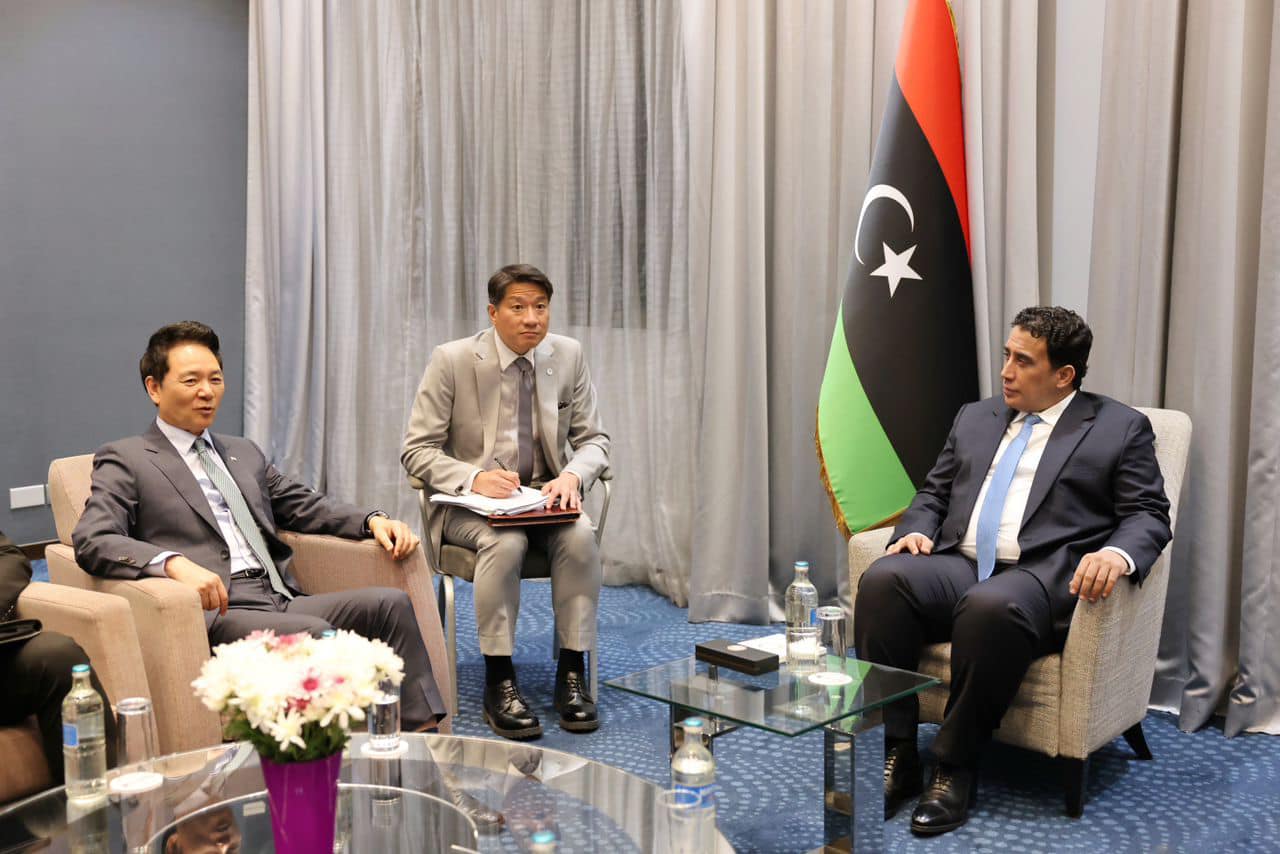
Libya Seeks Greater Strategic Role at Africa–Korea Meeting in Seoul
Libya used a high-level Africa–Korea meeting in Seoul this week to position itself within a growing partnership between African states and South Korea, signaling an effort to expand its diplomatic and economic engagement beyond traditional regional relationships. The gathering brought together senior officials from African countries and South Korean counterparts ahead of the first Korea–Africa…
-
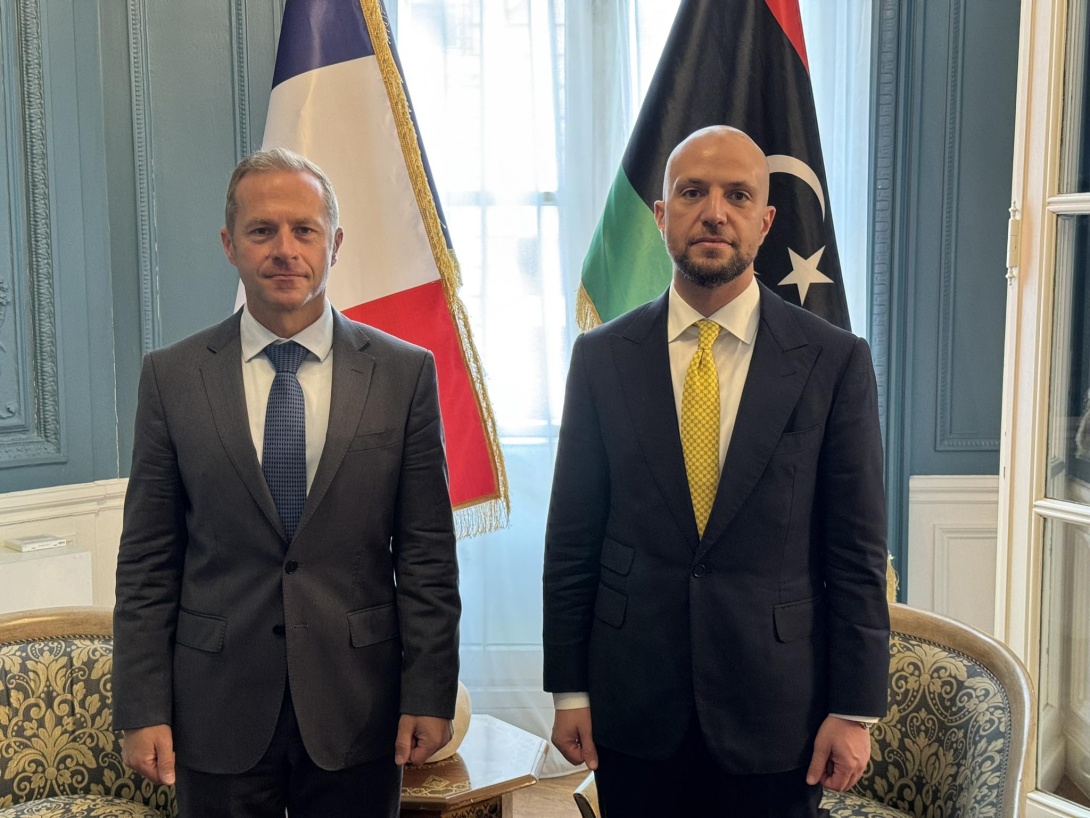
Libya–France Talks Highlight Continued External Role in Political Process Amid Ongoing Stalemate
Libya’s political process continues to move through a phase defined more by diplomatic engagement than by institutional progress. Recent discussions between Libyan and French officials reflect this reality clearly. The talks focused on developments in Libya’s political landscape and ongoing efforts to advance a stalled transition. France’s engagement signals continuity rather than change. Paris maintains…